
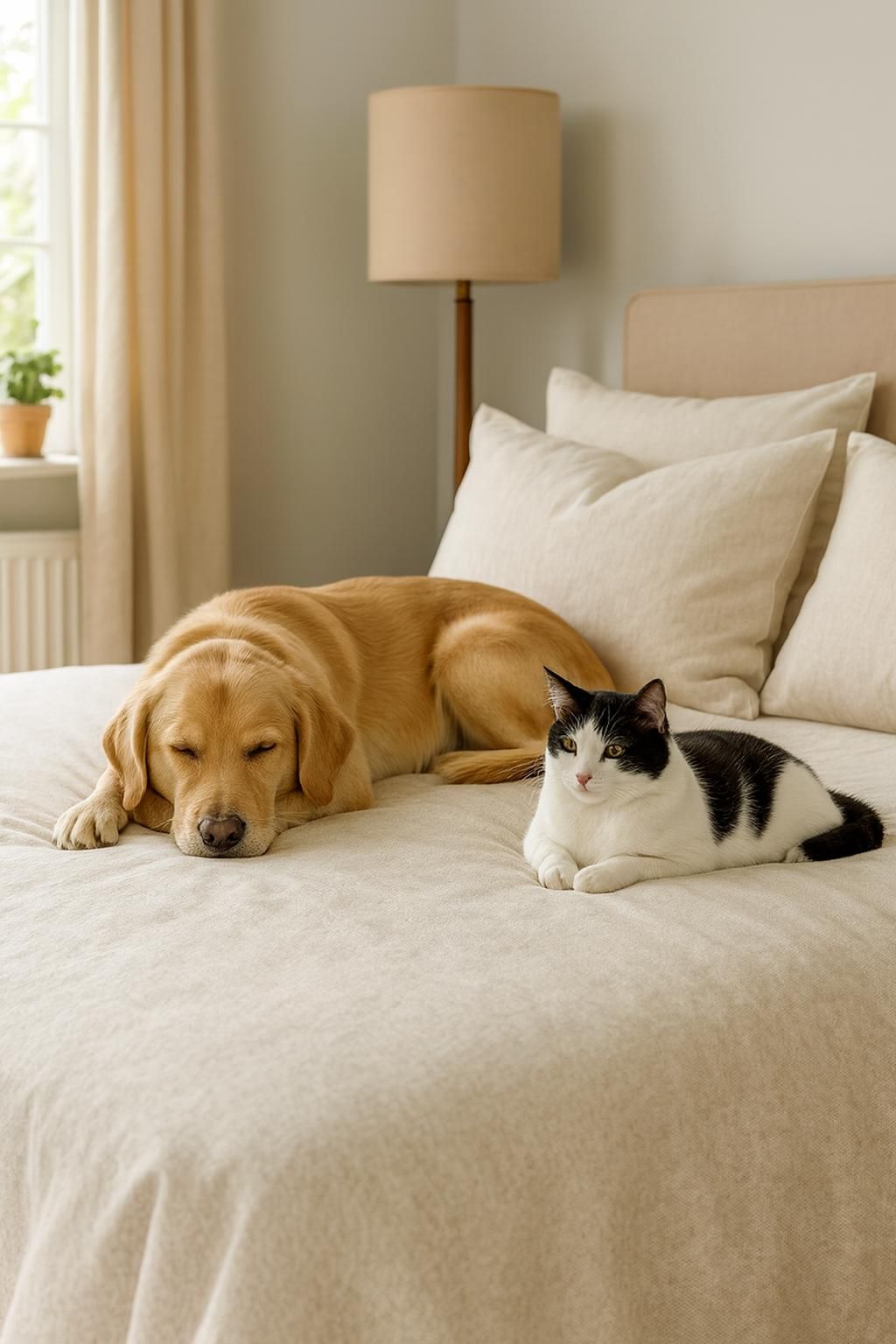
From city walks and dog parks to bowls, beds, bandanas, harnesses, and sofas, modern pet care is no longer only about grooming. It is about building a daily ritual of cleanliness, comfort, and respect around the dog’s real life.

There was a time when dog care was mostly understood through a few visible gestures: food, walks, baths, vaccinations, perhaps a visit to the groomer. Today, the life of a dog has changed. The dog is no longer simply beside the household. In many homes, the dog is inside the emotional, domestic, and even aesthetic center of the family.
Dogs sleep on sofas, travel in cars and airplanes, enter cafés, walk through hotel lobbies, appear in family portraits, wear harnesses, coats, bandanas, sweaters, rain jackets, and sometimes even looks coordinated with their humans. As QEditorial recently explored in Why Dog Parents Love Matching With Their Dogs, the modern dog has become part of the family’s emotional and visual identity.
But when the dog becomes part of the interior life of the home, a new question appears quietly: how clean is the dog’s everyday world?
Not in an obsessive way. Not in a sterile way. Dogs are animals, and part of their wellbeing depends on movement, smell, texture, grass, air, dirt, play, and contact with the world. The goal is not to turn a dog into an object of perfection. The goal is to understand that modern pet care now lives in the small rituals we often do not see.
A clean paw. A washed bowl. A breathable garment. A dry bed. A brushed coat. A leash that is not carrying weeks of city dust. A toy that is not silently collecting bacteria. A pet parent who understands that hygiene is not vanity. It is care.
The Dog Has Entered the Home
The modern dog lives closer to humans than ever before. For many families, the dog is not only a pet but a companion, a source of emotional support, a travel partner, and an everyday presence inside the domestic rhythm of life.
This intimacy has made pet care more complex. A dog’s paws move from sidewalks to rugs, from dog parks to sofas, from elevators to beds. Its bowl sits in the kitchen. Its toys move from the floor to the mouth and back again. Its harness touches the body every day. Its blanket absorbs hair, saliva, outdoor particles, and the scent of daily life.
According to the CDC’s guidance on dogs and healthy pet ownership, dogs can sometimes carry germs that may affect people or other animals, even when they appear healthy. The same public health guidance recommends washing hands after handling dogs, their food, waste, or supplies, and keeping up with routine veterinary care.
This does not mean fear should enter the relationship between dog and human. It means responsibility should.
The future of pet care is not only about buying more products. It is about noticing what already exists around the dog and asking whether those objects are supporting health, comfort, and cleanliness.
After the Walk: The Smallest Ritual Matters
Every walk leaves a trace. A dog may step through grass, soil, puddles, street residue, shared building floors, park areas, or dog runs. In cities especially, the walk is not only a moment of exercise. It is also contact with an environment that the pet parent cannot fully control.
This is why the ritual after the walk matters.
Cleaning or wiping the paws after outdoor activity can become a simple, elegant, and practical gesture. It does not need to be dramatic. A soft towel near the door, pet-safe wipes when needed, or a quick check between the toes can help remove visible dirt and give the pet parent a chance to notice irritation, small cuts, dryness, redness, or foreign material.
The same applies to the belly, tail, and coat, especially after visiting dog parks or wet outdoor spaces. In a previous QEditorial Pet Care article, Did You Know Parasites Were Detected in More Than 8 Out of 10 U.S. Dog Parks Studied?, we explored how public dog spaces can be joyful places of socialization but also environments where health awareness matters. A published study on gastrointestinal parasitism at recreational canine sites across the United States found that off-leash dog parks can create opportunities for parasite exposure because many dogs share the same spaces.
The answer is not to avoid life. It is to practice attention.
A dog should be allowed to be a dog. It should smell, explore, socialize, and move. But the return home should have its own ritual: check the paws, clean what needs to be cleaned, dry what is wet, and observe whether anything seems different.
Care begins with attention before it becomes intervention.
Bowls, Beds, Toys, and the Objects We Forget
Some of the most important hygiene rituals in pet care are not glamorous. They are not visible on Instagram. They do not belong to the polished image of modern pet luxury. Yet they may be among the most important.
The bowl is one of them.
A food bowl is touched by saliva, food residue, water, and sometimes bacteria. A water bowl can develop a film if it is not cleaned regularly. According to the CDC’s guidance on cleaning and disinfecting pet supplies, germs from pet food and treats can spread to items such as bowls, toys, and crates. The CDC explains that cleaning removes dirt and germs from surfaces, while disinfecting kills germs on surfaces.
The American Kennel Club also emphasizes that improper handling of pet food and poor hygiene practices can lead to contamination, placing both dogs and humans at risk.
This is where the quiet discipline of pet care becomes essential. Food and water bowls should not be treated as permanent objects that only need attention when they look visibly dirty. They are part of the dog’s daily health environment.
The same is true for beds, blankets, collars, leashes, harnesses, grooming tools, and toys. A dog’s bed is not only a design object in the corner of the room. It is a place where the body rests, sheds, scratches, dreams, recovers, and returns. A leash is not only a walking tool. It is handled daily by humans and exposed to outdoor environments. A toy is not only entertainment. It is often held in the mouth, dropped on floors, carried outside, and brought back inside again.
Modern pet care asks us to look at these objects differently. Not as accessories. As extensions of the dog’s body and daily life.
Fashion Must Also Be Clean
Pet fashion has entered a new era. It is no longer limited to novelty costumes or seasonal accessories. As QEditorial discussed in When Fashion Entered the Dog World, the pet industry has become a place where comfort, design, status, identity, and wellbeing now intersect.
But when fashion touches the dog’s body, it must also become part of pet care.
A harness, coat, bandana, sweater, rain jacket, carrier, or matching outfit should not be judged only by how it looks. It should also be judged by how it feels, how it breathes, how it fits, how easily it can be cleaned, and whether it respects the dog’s movement.
This is especially important because dogs do not choose fashion in the human sense. They experience it physically. A beautiful coat that traps heat, a stiff harness that rubs the skin, a decorative piece that restricts movement, or a garment that is not washed often enough can turn style into discomfort.
The new luxury in pet fashion is not excess. It is intelligence.
Materials should be considered. Fit should be respected. Cleaning instructions should not be ignored. If a dog wears something regularly, that item belongs to the hygiene routine. If it touches the skin, it must be clean. If it absorbs odor or moisture, it must be washed. If it irritates the body, it should not be worn.
A well-dressed dog should first be a comfortable dog.
Grooming Is Not Perfume
One of the mistakes in modern pet culture is confusing grooming with fragrance. A dog does not need to smell like a luxury candle to be cared for. In fact, over-washing, harsh products, or unnecessary perfumes can disturb the skin and coat rather than support them.
The ASPCA’s dog grooming guidance recommends bathing dogs at least once every three months, while noting that some dogs may need more frequent baths depending on outdoor activity or skin conditions. The AKC also notes that bathing frequency depends on coat type, health, lifestyle, and individual needs.
This is an important distinction. Pet care is not about applying one rule to every dog. A short-haired city dog, a double-coated breed, a senior dog, a puppy, a dog with allergies, and a dog that spends hours outdoors may all require different routines.
Brushing can often be as important as bathing. It removes dirt, helps distribute natural oils, reduces tangles, and gives the pet parent an opportunity to check the skin. Ears, nails, teeth, paws, and coat all belong to a complete care routine.
But the deeper point is this: grooming should serve the dog, not the image of the dog.
A clean dog is not necessarily a perfumed dog. A cared-for dog is one whose body is understood.
Parasite Prevention Is Part of Everyday Care
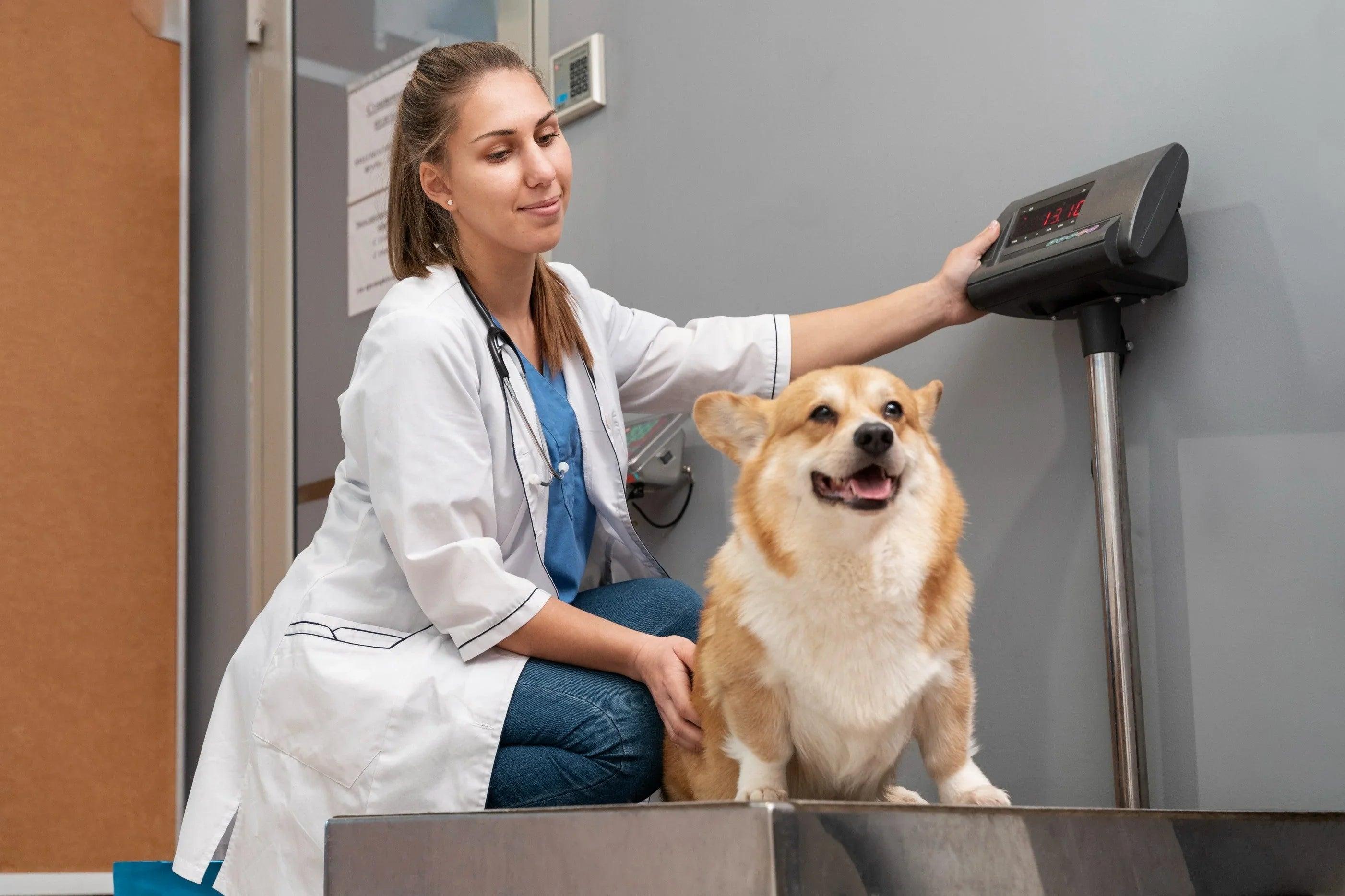
Cleanliness alone is not enough. A dog may look clean and still be exposed to fleas, ticks, mites, or intestinal parasites. This is why veterinary care remains central to responsible pet ownership.
The American Veterinary Medical Association explains that external parasites such as fleas, ticks, and mites can irritate pets and may carry disease. Prevention, control, and treatment have become easier than in the past, but the right approach depends on the individual dog, environment, and veterinary guidance.
This matters because many modern dogs live mobile lives. They travel between homes, parks, daycare, grooming salons, hotels, sidewalks, cars, and shared urban environments. Their exposure is not limited to the backyard.
A beautiful routine must therefore include the practical side: regular veterinary visits, parasite prevention discussed with a veterinarian, checking the coat and skin, monitoring stool, observing scratching or licking, and taking changes seriously.
Good pet care is not only aesthetic. It is preventive.
The New Luxury Is Care
In the world of modern dogs, luxury is often shown through accessories, design, travel, grooming, photography, and fashion. There is nothing wrong with beauty. There is nothing wrong with wanting the objects around a dog to be well made, elegant, and visually meaningful.
But the real luxury begins before the image.
It begins when the dog is comfortable. When the bowl is clean. When the bed is dry. When the harness does not rub. When the coat is brushed. When the paws are checked after the walk. When the pet parent notices discomfort before it becomes a problem. When style does not erase function. When affection becomes discipline.
The invisible rituals of pet care are the ones that rarely receive attention, yet they shape the dog’s everyday wellbeing.
A dog does not need a perfect life. A dog needs a thoughtful one.
And perhaps this is where modern pet parenthood becomes most beautiful: not in the performance of love, but in the repeated gestures that prove it.
Editor’s Note
In the modern pet home, care is no longer limited to grooming appointments or occasional baths. It lives in the quiet gestures: washing a bowl, cleaning a paw, choosing a breathable fabric, noticing discomfort, and understanding that beauty means very little if it does not begin with wellbeing.
QEditorial Magazine — Fashion · Culture · Identity
QEditorial.com


Leave a Reply