
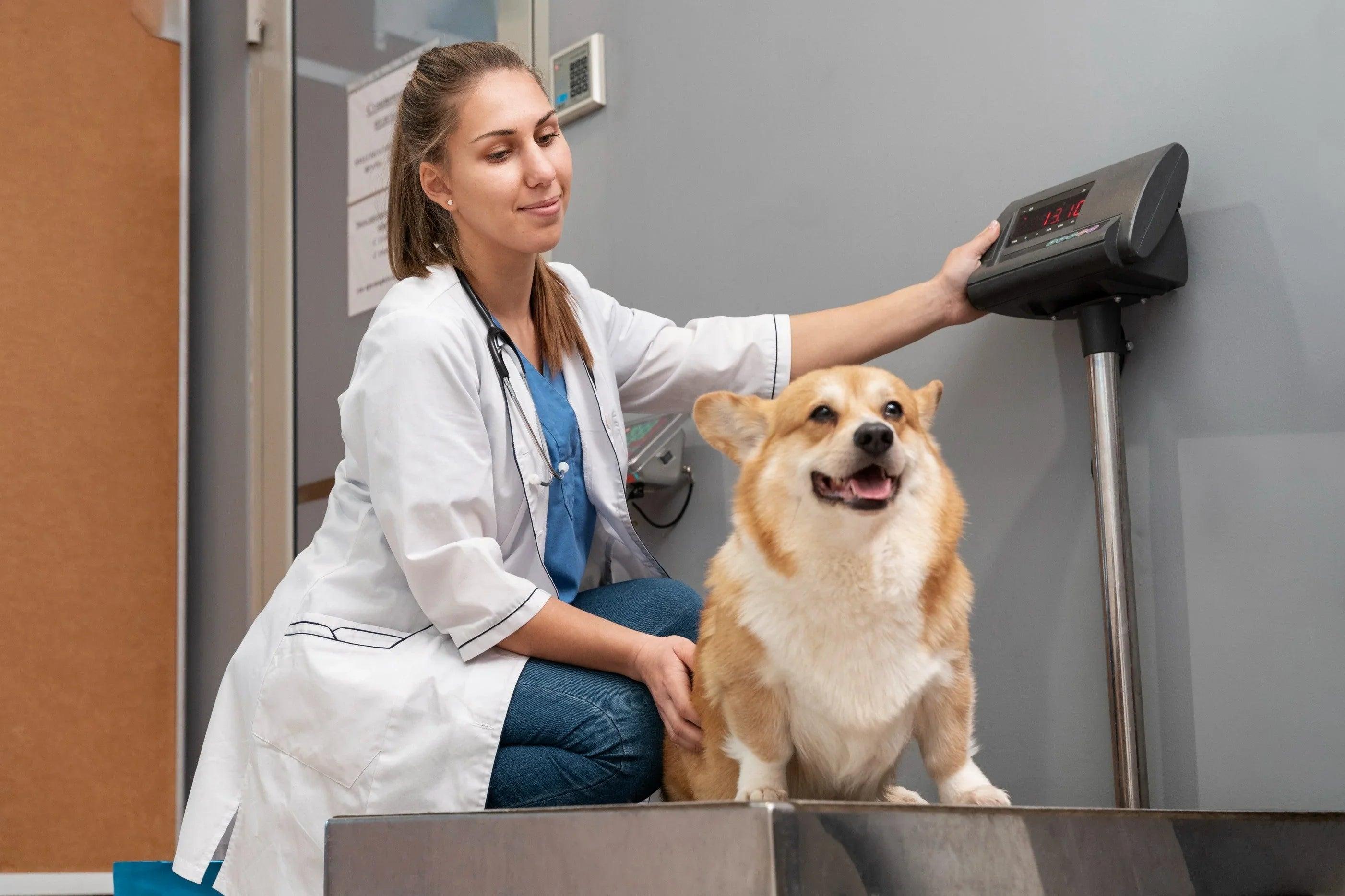
There is an appointment in every dog owner’s calendar that deserves the same attention as birthdays, vaccinations and daily walks: the annual veterinary examination.
A dog can eat normally, run through the park, greet us enthusiastically at the door and still have a health problem developing beneath the surface. Veterinary medicine increasingly emphasizes preventive care precisely because visible symptoms do not always appear at the beginning of disease.
For those of us who share our lives with dogs, keeping that annual appointment is one of the simplest responsibilities we can take seriously.
The American Animal Hospital Association recommends that pets receive routine veterinary care at least once every year, with more frequent examinations often appropriate for senior animals and dogs living with chronic health conditions. The organization notes that regular visits allow veterinarians to establish an individual health baseline and identify changes that might otherwise remain unnoticed.
The World Small Animal Veterinary Association, representing veterinary professionals around the world, reaches a similar conclusion in its Principles of Wellness: dogs and cats should receive a veterinary check-up at least annually, with frequency adjusted according to age, breed, medical history and individual risk.
That annual appointment therefore deserves to be understood as part of a dog’s healthcare routine rather than something reserved for illness.
A Healthy-Looking Dog Is Not Always a Healthy Dog
One of the challenges of caring for animals is simple: they cannot tell us that something feels different.
Changes can also be remarkably subtle.
A dog may sleep a little longer. Drink slightly more water. Become slower when climbing stairs. Leave part of a meal unfinished. Develop mild bad breath. Gain a few pounds over several months.
Individually, these details may appear insignificant. Together, they can sometimes provide a veterinarian with important information.
As veterinarian Mark Thompson, DVM, explains for the American Animal Hospital Association, wellness examinations provide an opportunity to identify early health problems while reviewing vaccinations, parasite prevention, body weight, nutrition and other aspects of preventive medicine.
The annual examination creates something equally valuable: continuity.
When the same veterinary team sees a dog regularly, they accumulate information about what is normal for that individual animal. Weight, muscle condition, heart rate, dental condition, mobility, behavior and laboratory results can be compared over time.
Small deviations become easier to recognize.
What Science Can Reveal Before We See Symptoms
Preventive veterinary medicine is increasingly supported by diagnostic screening.
A study published in the Australian Veterinary Journal and indexed by the U.S. National Library of Medicine through PubMed examined apparently healthy middle-aged dogs and cats attending veterinary practices for routine procedures.
Researchers identified clinically significant laboratory abnormalities including anemia, inflammation and evidence associated with liver, kidney and pancreatic disease.
Their conclusion was important: biochemical and hematological testing performed as part of regular preventive health checks may contribute to detecting disease before clinical signs appear, creating an opportunity for earlier intervention.
This does not mean that every dog requires every available blood test every year.
Veterinary screening should be individualized according to age, breed, lifestyle, previous medical history and findings from the physical examination.
The principle, however, is significant.
Sometimes the first evidence that something is changing inside the body appears in a laboratory result before it becomes visible in the dog’s behavior.
The AAHA’s guidance on annual wellness testing similarly explains that bloodwork, urinalysis and other screening tools can reveal health changes that may not be apparent during a physical examination alone.
What Happens During an Annual Examination?
The veterinary appointment is much broader than a vaccination visit.
According to the joint AAHA–AVMA Canine Preventive Healthcare Guidelines, preventive care begins with the dog’s history and lifestyle and continues through a comprehensive physical examination.
The veterinarian may evaluate the heart and lungs, eyes and ears, skin and coat, abdomen, joints, muscles, teeth and gums. Weight, body condition and signs of pain are assessed.
Nutrition may be discussed.
So can behavior.
Changes in mobility, appetite, sleep, drinking, urination or social behavior can all contribute to the clinical picture.
The visit is also an opportunity to discuss parasite prevention, heartworm testing where appropriate, vaccination schedules and lifestyle-related risks.
A dog spending most of its life in an urban apartment may require a different preventive strategy from one regularly hiking through wooded areas, traveling internationally or interacting with large numbers of other dogs.
Modern preventive veterinary medicine increasingly reflects this individuality.
Vaccination Is Only One Part of the Visit
It is easy to associate veterinary appointments with vaccines.
Vaccination remains fundamental to canine preventive medicine, but the annual visit should never be reduced to an injection.
The World Small Animal Veterinary Association vaccination guidelines emphasize that vaccination forms part of a broader individualized healthcare program.
The annual examination allows the veterinarian to decide which vaccines are appropriate based on age, previous vaccination history, environment, travel and exposure risk.
Some vaccines do not need to be administered annually. Others may depend heavily on geography and lifestyle.
The appointment itself remains valuable even when no vaccination is due.
Teeth, Weight and the Problems We Learn to Ignore
Some of the most common canine health problems develop gradually.
Dental disease is a good example.
Bad breath can become so familiar that owners stop noticing it. Tartar slowly accumulates. Gingival inflammation progresses.
The WSAVA Global Dental Guidelines identify oral and dental disease among the most common medical conditions affecting companion animals.
Body weight deserves similar attention.
A few hundred grams gained gradually in a small dog, or several kilograms in a large breed, can become difficult for someone seeing the animal every day to recognize.
The veterinarian provides an external reference.
Body condition scoring and muscle assessment can help determine whether a dog is maintaining an appropriate weight and whether changes in diet or activity are needed.
Age Changes the Conversation
A yearly visit should be considered a minimum framework, rather than a universal schedule for every dog.
Puppies require frequent appointments during their first months of life for physical development, vaccination, parasite control, nutrition and behavioral guidance.
Healthy adult dogs may often follow an annual schedule.
Senior dogs deserve closer observation.
The AAHA life-stage guidance explains that annual or biannual wellness examinations may be appropriate depending on the individual dog, with older animals and those with medical conditions often requiring closer monitoring.
This is particularly important because changes associated with disease can occasionally be mistaken for ordinary aging.
Moving more slowly may appear to be simply getting older.
It can also indicate arthritis or pain.
Drinking more water may seem insignificant.
It can sometimes accompany metabolic or kidney disease.
A veterinary examination helps separate normal aging from changes that deserve further investigation.
Prevention Is a Partnership
Research on veterinary preventive healthcare also highlights something beyond medicine: owners matter.
A review published by researchers from Ludwig-Maximilians-Universität München and indexed by PubMed describes regular preventive healthcare as an important component of animal health and quality of life, while emphasizing that owner compliance plays an essential role alongside veterinary recommendations.
Veterinarians can examine, test, advise and treat.
We are the people who have to make the appointment.
We notice what happens at home. We know how much our dogs eat, how they sleep, whether they hesitate before jumping onto the sofa, whether their personality has shifted or whether something simply feels different.
That information belongs in the consulting room.
Put It in the Calendar
Responsible dog ownership is built from small, repetitive actions.
Fresh water.
Appropriate food.
Exercise.
Dental care.
Parasite prevention.
Vaccinations.
Attention.
And once a year, at minimum, a veterinary examination.
It is easy to postpone an appointment when the dog in front of us appears perfectly healthy.
That is precisely when preventive medicine has its greatest purpose.
The annual visit gives the veterinarian an opportunity to confirm that everything is going well, identify risk factors and investigate subtle changes before they have the chance to become something larger.
According to both the American Animal Hospital Association and the World Small Animal Veterinary Association, regular veterinary examinations form a central part of lifelong preventive care.
Our dogs cannot schedule them.
We can.
And being punctual with that appointment is one of the quiet responsibilities that comes with being trusted with their lives.
QEditorial Pet — Editorial Note
This article is intended for editorial and educational purposes and does not replace individualized veterinary advice. The appropriate frequency of examinations, diagnostic testing, vaccination and preventive treatment varies according to a dog’s age, breed, medical history, lifestyle, geographic location and individual health risks. Owners should develop an appropriate preventive healthcare schedule directly with their veterinarian.
Thank you for reading. Join Q Letter to stay connected with QEditorial’s latest stories and become part of a growing community supporting independent fashion and cultural journalism.
QEditorial Magazine — Fashion · Culture · Identity – QEditorial.com





Leave a Reply