
 Dog products were functional, limited, and often designed around necessity rather than identity. Clothing for dogs existed, but mostly for practical reasons: protection from cold weather, medical support, or comfort for small breeds such as Chihuahuas, Italian Greyhounds, or other dogs naturally more sensitive to temperature. Choices were minimal. Sizes were inconsistent. Design was rarely part of the conversation.
The dog was loved, certainly, but not yet culturally integrated into the lifestyle image that surrounds modern fashion today.
What changed was not simply the market.
What changed was society itself.
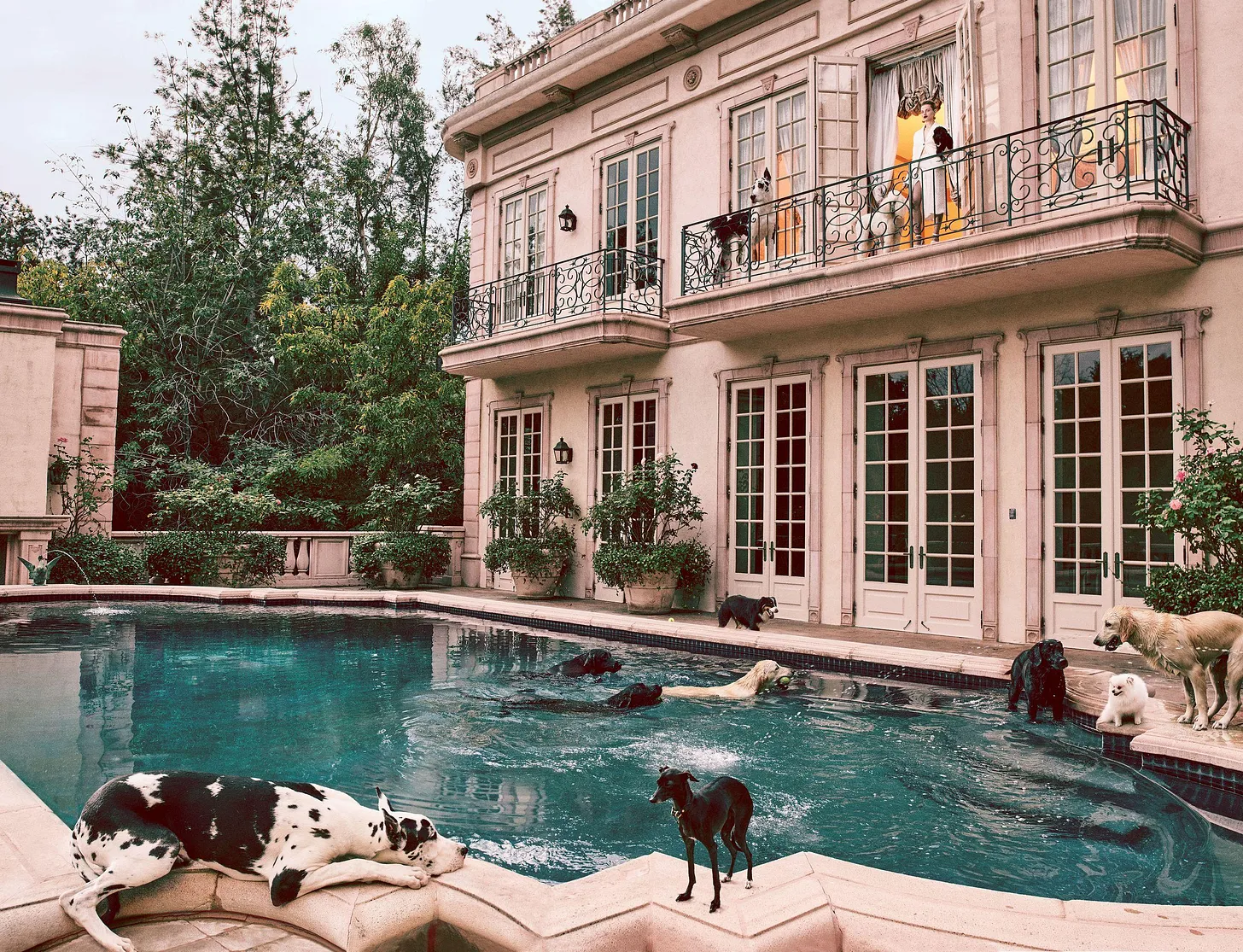
Over the last two decades, dogs have progressively moved from the backyard into the emotional center of the household. For millions of people, a dog is no longer considered “just a pet,” but part of the family structure itself. This transformation has altered language, habits, spending behaviors, housing choices, travel culture, hospitality, and even legislation.
Many countries and states have strengthened animal protection laws, introducing severe penalties, and in some cases prison sentences, for abuse and mistreatment. The cultural sensitivity toward animals has evolved dramatically. Compassion toward dogs is no longer viewed as niche sentimentality; it has become part of broader social ethics.

And where culture changes, markets follow.
The modern pet industry expanded rapidly because emotional value expanded first. Toys, nutrition, wellness products, luxury grooming, veterinary innovation, travel accessories, designer furniture, pet hospitality, and fashion all grew around this new perception of the dog as companion, family member, and emotional presence.
Fashion eventually understood what society had already realized:
people no longer wanted products only for themselves. They wanted products that reflected the shared identity between themselves and their dogs.
This is where the luxury industry entered the conversation.
For decades, major fashion houses observed the pet market from a distance. Then, almost suddenly, they stepped inside it. What followed was one of the fastest luxury expansions of recent years. Established brands with enormous cultural influence were able to enter the pet sector almost instantly. A collar with a recognizable monogram, a branded leash, or a small dog T-shirt carrying the visual codes of an established maison was often enough to generate enormous commercial attention.

The power of fashion branding did the rest.
Luxury houses already possessed what smaller pet brands did not: global visibility, aspirational identity, celebrity influence, editorial power, and cultural authority. They did not need to build trust from zero. Consumers already desired the logo long before it appeared on a dog accessory.
And the results were immediate.
The pet market became fashionable almost overnight.
But beneath the success of luxury expansion exists another side of the industry, one that receives less visibility despite often carrying deeper technical knowledge about dogs themselves.
Independent pet brands, especially those born specifically around canine comfort and breed-specific needs, approached the sector differently. Rather than adapting existing fashion products into pet versions, many of these companies began from the dog first. They studied movement, breathing, fur type, pressure points, ergonomics, temperature sensitivity, leash tension, and behavioral comfort before thinking about aesthetics.
Only afterward did they ask how to make the product beautiful.
For these brands, design is not only image. It is functionality, safety, comfort, and emotional care translated into material form. A harness is not merely an accessory; it is something that touches the body of a living animal every day. A collar is not simply branding space; it affects comfort, movement, and physical wellbeing.

And yet these brands often operate in one of the most difficult realities of modern fashion commerce.
They compete in a market dominated by image power.
Large luxury houses can enter the pet sector with extraordinary speed because recognition already exists. Independent pet brands, meanwhile, must build credibility slowly, educating consumers on quality, comfort, craftsmanship, materials, and canine-specific design details that are often invisible at first glance.
This creates one of the central tensions within modern pet fashion:
the conflict between logo-driven consumption and dog-centered product design.
In many cases, consumers still prioritize recognizable branding over the actual comfort of the animal wearing the product. The emotional desire to participate in luxury culture can sometimes overshadow the original purpose of pet products themselves.
Yet the future of pet fashion may ultimately belong to the brands capable of balancing both worlds: emotional identity and real canine wellbeing.
Because the evolution of pet fashion is no longer simply about dressing dogs.
It is about how modern society expresses care, status, affection, aesthetics, and identity through the relationship between humans and animals.
The dog is no longer outside the world of fashion.
The dog has entered the lifestyle itself.
Editor’s Reflection
Fashion did not enter the pet world by accident.
It entered because society changed first.
The way people look at dogs today is profoundly different from twenty years ago. For many, a dog is no longer simply a companion, but part of the emotional architecture of daily life. And once something becomes emotionally central, culture, design, and eventually luxury begin to orbit around it.

What interests me most about the modern pet industry is not only its economic growth, but the tension that now exists inside it. On one side, there is the extraordinary power of fashion branding, capable of transforming even the simplest pet accessory into a luxury object through image alone. On the other, there are brands quietly building products around the actual comfort, safety, and wellbeing of the dog itself.
This is where the future of pet fashion becomes truly interesting.
Because dressing a dog should never be only about aesthetics. It should also be about understanding the animal wearing the product: its movement, its body, its comfort, and its daily life. The strongest pet brands of the future will likely be those capable of balancing both worlds — emotional identity and genuine canine care.
The rise of pet fashion ultimately says something larger about our era. It reveals how deeply affection, identity, and lifestyle have become interconnected. The modern dog is no longer outside culture.
The dog has become part of the way people express who they are.

For selected advertising and editorial partnerships, contact contact@qeditorial.com


Leave a Reply