
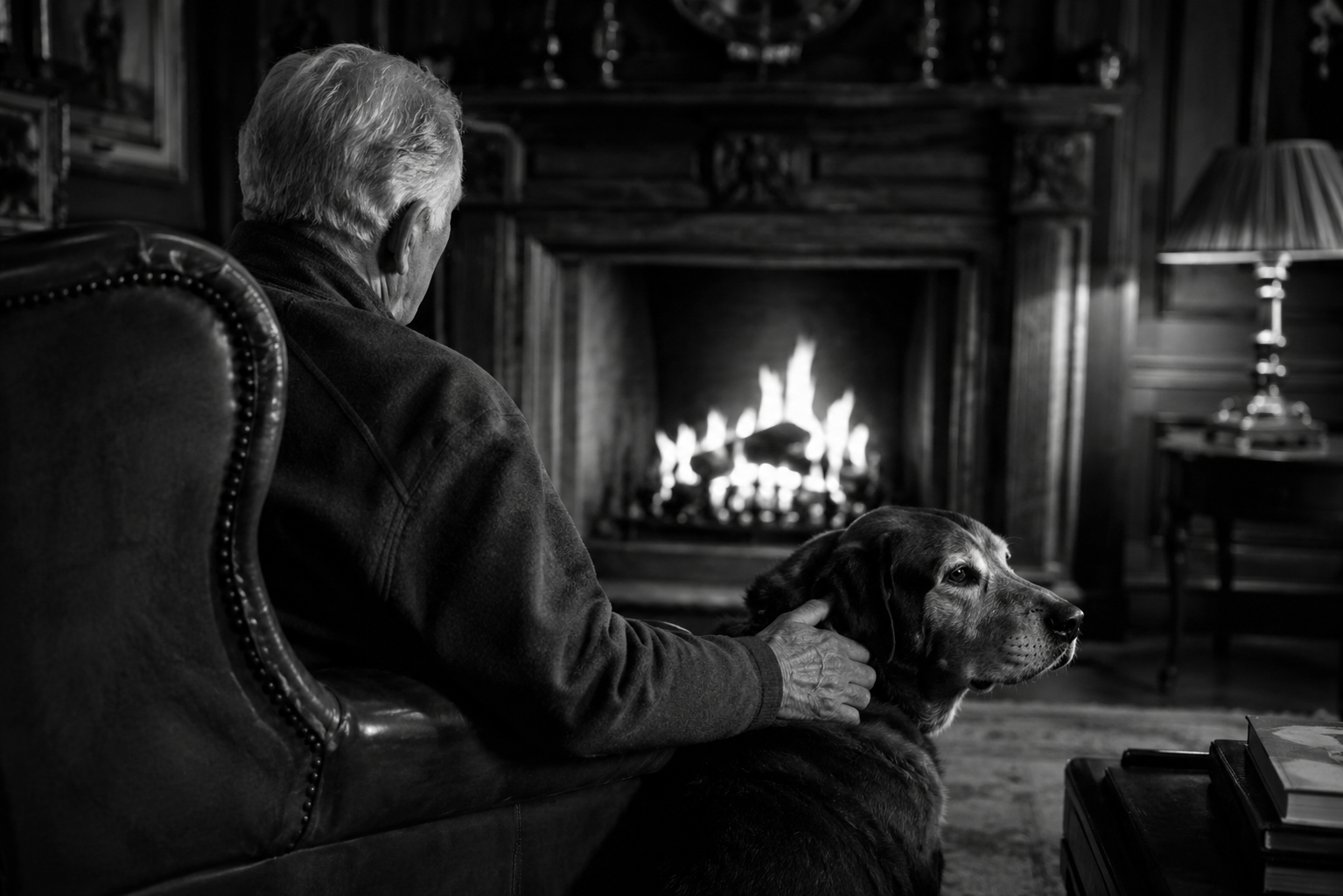
From preventive medicine and cognitive health to nutrition, movement and emerging geroscience, researchers are reconsidering what it truly means for a dog to live not only longer, but better.

PET CARE
Preventive medicine, cognitive care and emerging geroscience are changing how veterinarians and owners approach the later years of a dog’s life.
The first white hairs around a dog’s muzzle often arrive before an owner is ready to notice them. Movement becomes more measured. Sleep grows deeper. A familiar jump onto the sofa may require a moment of hesitation.
These changes once belonged to a largely passive understanding of aging. Veterinary medicine could manage individual symptoms, while the wider biological process seemed fixed. Canine geroscience is beginning to challenge that assumption by examining how genetics, environment, nutrition and daily care shape the years a dog spends in good health.
The central measure is increasingly healthspan: the period during which a dog remains mobile, comfortable, mentally engaged and able to participate in familiar routines. Lifespan records the number of years lived. Healthspan reveals the quality contained within them.
A New Measure of Aging
A dog can reach an advanced age while living with chronic pain, reduced mobility, anxiety or cognitive decline. Longevity research therefore focuses on delaying disease and disability, preserving function and identifying risk before visible symptoms become severe.
This approach guides the Dog Aging Project, a large scientific initiative studying companion dogs across the United States. Researchers examine the effects of genetics, lifestyle and environmental exposure in animals living in ordinary households.
Dogs offer an unusual model for aging research. They share human homes, breathe the same air and encounter many of the same environmental conditions. They also develop several age-associated diseases seen in people. Their shorter lifespans allow scientists to observe biological change across many stages of life within a comparatively limited period.
The findings may eventually influence both veterinary and human medicine. For dog owners, the immediate value lies in a more detailed understanding of how daily habits and early intervention can shape later life.
The Senior Years Begin at Different Times
The familiar idea that every dog becomes senior at seven offers little clinical precision.
Breed, size, genetics and overall health all affect the rate of aging. Large and giant breeds generally enter their senior years earlier than smaller dogs. A Great Dane and a Chihuahua of the same chronological age can therefore require very different forms of care.
The American Animal Hospital Association’s senior-care guidelines define the senior stage as approximately the final quarter of a dog’s expected lifespan. This framework encourages veterinarians and owners to evaluate aging individually.
Senior care works best when it begins before a dog appears visibly frail. Gradual changes in weight, muscle condition, dental health, hearing, vision, mobility and behavior can pass unnoticed in a household where the animal is observed every day.
Reluctance to climb stairs may indicate joint pain or weakness. Daytime sleeping combined with nighttime wandering can signal discomfort, sensory loss or cognitive change. Age provides context, though it should never serve as a complete explanation without further evaluation.
Weight, Muscle and Daily Movement
Some of the strongest foundations of canine longevity remain practical and familiar.
Maintaining an appropriate body condition is among them. A long-term study involving Labrador Retrievers found that dogs fed a controlled quantity of food experienced delayed onset of chronic disease and a longer median lifespan than their paired counterparts.
The original study does not support severe restriction or unsupervised dieting. It demonstrates the long-term consequences of excess weight and reinforces the value of nutrition plans developed with veterinary guidance.
Body weight alone can conceal important changes. Older dogs may lose muscle while maintaining the same number on the scale. Regular assessments of muscle condition, posture and mobility can reveal decline that remains hidden beneath the coat.
Exercise should also change as the dog ages. Consistent movement supports muscle strength, cardiovascular health, joint function and emotional stability. The appropriate level depends on the individual animal.
One dog may continue to enjoy long walks. Another may benefit from several shorter outings, controlled swimming, rehabilitation exercises or gentle movement around the home. Pain control remains central to these decisions. Exercise should support function without adding strain.
Routine care carries equal importance. Oral health, parasite prevention, appropriate vaccination, blood and urine testing, and attention to appetite, thirst and elimination patterns can reveal disease at an earlier stage.
No single habit determines longevity. The cumulative effect of careful observation and regular preventive care often shapes the course of aging.
The Aging Canine Mind
Physical decline is usually easier to identify than cognitive change.
An older dog may continue to eat normally while becoming disoriented in familiar rooms, staring at walls, waking repeatedly at night or interacting differently with family members. These behaviors may be associated with canine cognitive dysfunction, a neurodegenerative condition affecting some senior dogs.
Research connected to the Dog Aging Project has examined cognitive function across thousands of companion animals. A nationwide study involving more than 15,000 dogs found a strong association between age and cognitive dysfunction. The study is available through the National Library of Medicine.
Canine cognitive dysfunction shares certain features with human neurodegenerative disease, although the comparison requires care. The condition has nevertheless made aging dogs valuable to the wider study of brain health.
Owners should watch for changes in orientation, sleep, social behavior, house training, activity levels and anxiety. Similar symptoms can also result from pain, sensory loss, hormonal disorders and other medical conditions. A veterinary assessment is necessary before drawing conclusions.
Mental stimulation can remain part of care throughout a dog’s life. Training, social contact, scent-based games and gentle problem-solving activities help sustain engagement.
Walks are especially useful when the dog is allowed to investigate the environment through smell. Distance matters less than the opportunity to explore, process information and make choices at a comfortable pace.
Age may reduce speed. Curiosity often remains.
The Experimental Science of Longevity
Canine longevity research now extends beyond conventional preventive medicine.
Scientists are investigating biological markers of aging and testing interventions that may influence age-related decline. The Dog Aging Project has studied rapamycin, a medication already used in specific areas of human medicine, to evaluate its potential effects on health and aging in companion dogs.
This work remains experimental and belongs within controlled clinical research. Rapamycin should never be used as a general anti-aging treatment without qualified veterinary oversight.
The broader scientific aim is significant. Veterinary care has traditionally addressed diseases as they appear. Geroscience examines the biological processes that may contribute to several age-related conditions at once.
The commercial pet-wellness industry has responded quickly to public interest in longevity. Supplements, genetic testing, biological-age assessments and personalized nutrition plans increasingly use the language of extended health.
Scientific support varies considerably between products.
Owners should examine the evidence behind each claim. Relevant questions include whether the product has been studied in dogs, whether the research was peer-reviewed, how many animals participated, whether a control group was used and who funded the work.
A change in a laboratory marker does not automatically produce a meaningful improvement in comfort, mobility or lifespan.
The promise of additional time carries considerable emotional force. That makes independent evidence especially important.
The Cost of a Longer Life
Longevity also has an economic dimension.
Advanced diagnostics, specialist consultations, rehabilitation and emerging therapies can place substantial pressure on household finances. Routine veterinary care has already become difficult to afford for many families.
If the benefits of longevity medicine remain concentrated within a premium market, healthier aging risks becoming another marker of financial privilege.
A responsible approach must include accessible preventive care, clear owner education and earlier recognition of disease. Scientific progress has value, though affordable examinations, appropriate nutrition, safe movement and honest veterinary guidance may reach far more animals.
Owners should not be made to feel inadequate because they cannot purchase every new test or supplement. Spending alone does not define good care.
Consistency, observation and a safe home environment continue to carry measurable value.
Quality of Life as a Clinical Priority
The most difficult stage of senior care often begins when treatment can extend life without preserving the dog’s ability to experience it comfortably.
Modern veterinary medicine offers powerful interventions. Each one must still be evaluated in relation to the individual animal.
Pain, rest, appetite, mobility, social engagement and interest in familiar activities provide useful measures. Families can also track the balance between comfortable days and periods of distress.
Quality-of-life assessments help bring structure to decisions that can otherwise feel entirely emotional. The AAHA senior-care guidelines encourage these conversations throughout the senior years, well before a final crisis.
Longevity medicine reaches its limit when biological extension begins to compromise dignity and comfort. Compassionate care may involve treatment, adaptation, pain management or a decision to stop intervening.
The correct path depends on the condition, prognosis and daily experience of the dog.
The Years Within Reach
Future research may identify disease earlier through more accurate biomarkers. New therapies may delay chronic illness. Clinical studies may eventually establish safe methods for extending canine healthspan.
Daily care will continue to depend on close attention.
An owner may notice increased thirst, hesitation before jumping, disrupted sleep or a sudden loss of interest in play. These details often provide the first indication that something has changed.
Dogs cannot describe joint pain or confusion. Their health depends on the ability of the people around them to recognize small shifts and respond before they become severe.
The years shared with a dog will always feel limited. Science may help protect more of those years from pain, disability and cognitive decline.
The most meaningful measure will remain visible in ordinary life: a comfortable walk, an appetite maintained, a familiar face recognized and the continued desire to stay close.
This article is intended for general editorial and educational purposes. It does not replace individualized veterinary advice. Changes in a dog’s health, mobility, appetite or behavior should be discussed with a qualified veterinarian.
Editorial Note
At QEditorial, pet care is approached as part of a wider culture of responsibility, observation and informed companionship. This article examines canine longevity through current veterinary research, preventive care and the daily decisions that shape a dog’s quality of life. Scientific developments continue to evolve, and every animal’s health requires individual evaluation by a qualified veterinary professional.
Thanks for reading QEditorial. Subscribe for free to receive new stories on fashion, culture, identity and contemporary living.
QEditorial Magazine — Fashion · Culture · Identity




Leave a Reply