

Inside New York’s Museum of the Dog, where canine art becomes a reflection of identity, companionship, memory, and the quiet cultural rise of the dog in contemporary life.
There was a time when the dog belonged to the private world.
Loved, protected, loyal — but fundamentally domestic. Present in memory, routine, and companionship, yet rarely elevated into the language of culture itself.
Art museums celebrated kings, wars, landscapes, mythology, and human ambition. Architecture honored empires. Fashion built symbols of status. The dog, despite its closeness to human life, often remained at the edge of these narratives.
And yet, somewhere between emotional companionship and cultural transformation, something changed.
Today, in New York City — a place that endlessly redefines what deserves cultural attention — an entire institution quietly suggests a radical idea: perhaps the dog was never peripheral at all.
Just a short distance from Grand Central, the AKC Museum of the Dog offers something unexpectedly profound. At first glance, it may sound niche, playful, even sentimental. A museum about dogs? The concept risks being misunderstood before entering the building.

But inside, another reality appears.
The museum reveals something larger than canine affection. It becomes a reflection of how humans have represented loyalty, identity, companionship, status, memory, and even grief through the image of the dog for centuries.
Because the story here is not simply about animals.
It is about us.
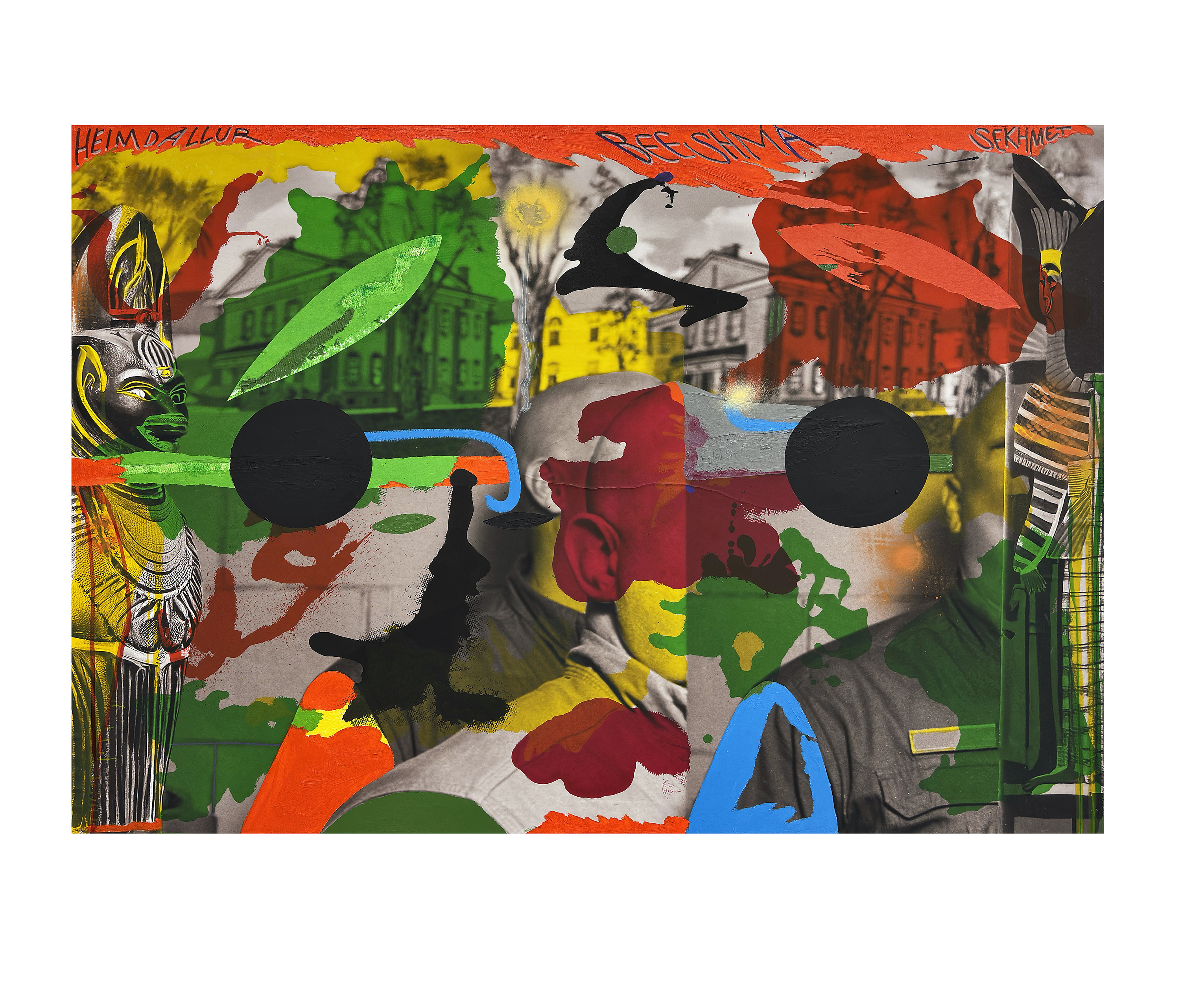
Founded originally in 1982 and later relocated to Manhattan, the museum houses one of the world’s largest collections dedicated entirely to canine art and cultural history. Oil paintings, sculptures, historical artifacts, rare books, and breed representations span generations of artistic practice. Rather than treating the dog as decoration, the collection frames it as subject, symbol, witness, and companion.
In classical portraiture, dogs frequently appear beside aristocrats — not accidentally, but intentionally. They represented loyalty, nobility, protection, and lineage. A hunting dog standing beside its owner communicated status as clearly as fine tailoring or inherited jewelry.
Yet what makes the Museum of the Dog compelling today is not merely historical preservation.
It is emotional continuity.

Walking through the galleries, one begins to notice something curious: despite differences in breed, class, era, or geography, the emotional language surrounding dogs feels strangely constant. The expression of waiting. Devotion. Watchfulness. Presence.
The museum quietly documents something deeply human — our tendency to place emotional meaning onto the beings that accompany us through life.
And perhaps nowhere feels more appropriate for this conversation than New York itself.
This is a city where identity becomes architecture. Where subcultures become industries. Where personal rituals transform into collective language. In such an environment, the rise of the dog as a cultural figure feels inevitable.
Today, the dog is no longer simply a pet.
It is companionship. Emotional architecture. Lifestyle. Family. Memory.
Luxury hotels now design programs specifically for dogs. Fashion houses increasingly enter petwear. Restaurants create dog menus. Entire communities form around breed culture and emotional identity. The dog has quietly moved from the backyard to the center of contemporary life.
The Museum of the Dog captures this transition in an unexpectedly elegant way.
What makes the institution particularly intelligent is that it avoids becoming overly nostalgic. Alongside historical works, visitors encounter interactive installations, digital experiences, and playful technologies that connect older traditions with contemporary culture. One exhibit famously matches visitors’ faces to dog breeds — humorous at first, yet strangely revealing of how deeply humans seek identification through animals.

In many ways, the museum understands something broader about modern society.
We are living through an age where emotional connection increasingly defines luxury, identity, and belonging.
The dog sits directly at the center of that shift.
Perhaps that is why places like this matter more than they first appear.
Because beneath the paintings and sculptures lies a deeper question: when did the dog stop being simply an animal and become part of culture itself?
Maybe the answer is that it always was.
We are only now learning to recognize it.
The AKC Museum of the Dog can be explored through its official website, where visitors can view exhibitions, educational programming, and dog-friendly Fridays in New York: https://museumofthedog.org/
Editorial Note:
At QEditorial Magazine, we are increasingly interested in the spaces where culture expands beyond traditional definitions. Fashion, hospitality, design, and emotional identity no longer exist separately from the lives we build around companionship. The dog is no longer merely part of domestic life — it has become part of contemporary cultural language. And perhaps institutions like New York’s Museum of the Dog reveal something essential about our era: what we choose to celebrate says everything about who we are becoming.


Leave a Reply