


Paris Men’s Fashion Week returns from June 23 to June 28, 2026, according to the official Fédération de la Haute Couture et de la Mode calendar. But what makes the Paris menswear season interesting today is not only the schedule. It is the fact that menswear no longer functions as a secondary category, nor as a simple alternation between tailoring and streetwear. It has become a site of negotiation—between identity and discipline, softness and structure, performance and presence.
In other words, men’s fashion is no longer just about what men wear. It is about how masculinity is being rewritten in public. This is precisely why Paris remains central: not only because of its houses, but because it continues to be the stage where fashion tests what a man can look like now. That tension—between elegance, image, and self-construction—is what gives the week its cultural weight.
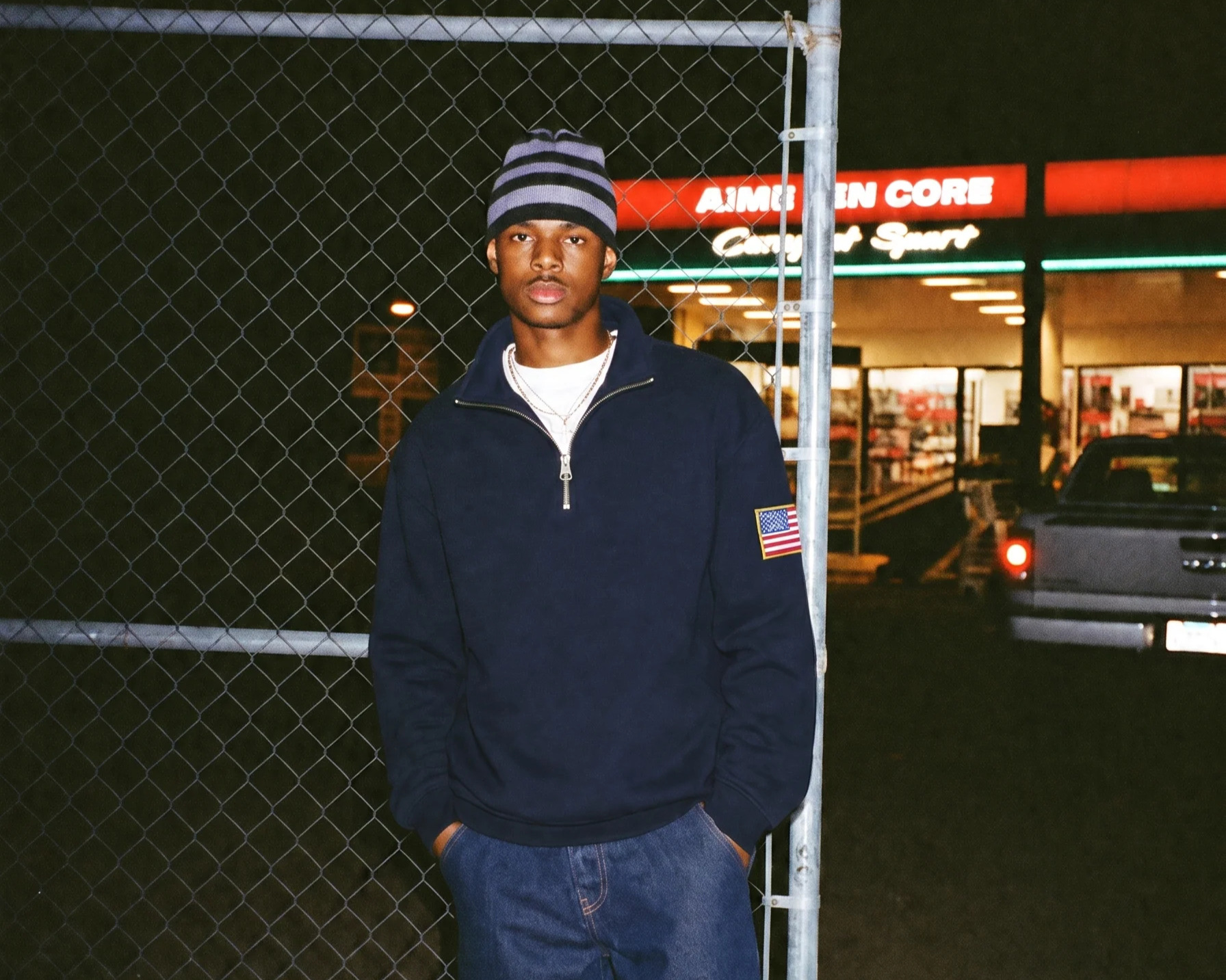
Recent coverage across major publications already suggests where this conversation is moving. In its reporting on men’s fashion in 2026, GQ has pointed to the return of tailoring, broader proportions, and a renewed interest in pieces that feel more deliberate, less disposable—signs that menswear is shifting away from pure casualness and back toward authorship. See The Next Big Men’s Fashion Trends of 2026 by GQ and The Best Men’s Suits of 2026.
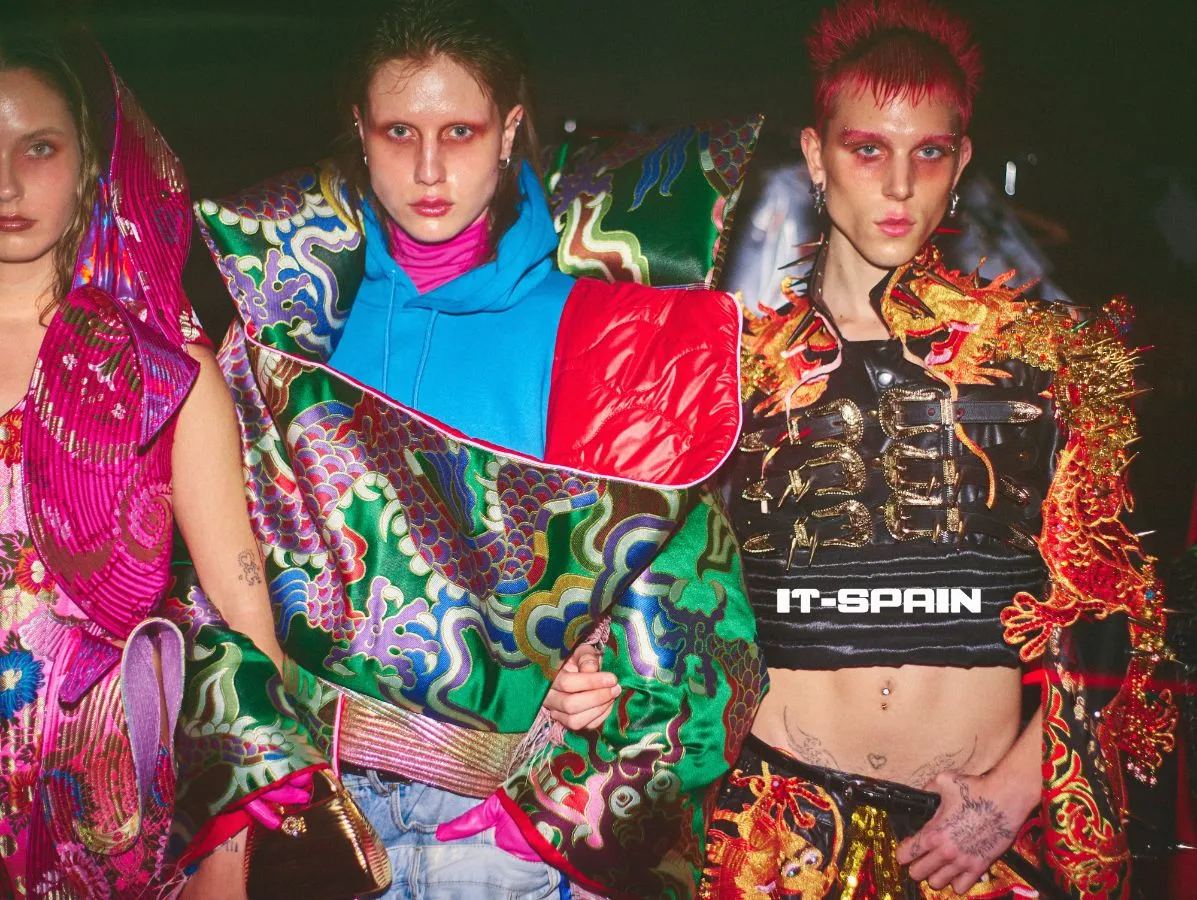
That does not mean a nostalgic return to old masculinity. Quite the opposite. What is emerging is a more unstable and therefore more interesting terrain: clothes that borrow from formalwear without becoming rigid, silhouettes that suggest confidence without aggression, and styling that allows emotion, detail, and ornament to re-enter the male wardrobe. A recent Business of Fashion review of the men’s shows framed this tension well by asking whether menswear is moving toward “clothes for life” or “clothes as costume.” That question is larger than fashion; it is really a question about modern identity itself. See Clothes for Life or Clothes as Costume?.
Even the editorial language around menswear has changed. Vogue recently examined how fashion week has been reflecting new male archetypes and subcultures, rather than simply preserving one dominant masculine ideal. Meanwhile, its broader menswear coverage continues to document a field in transition—where runway casting, silhouette, and styling are all part of a larger debate about who menswear is for, and what kind of body or attitude it chooses to legitimize. See From Tech Bros to Looksmaxxers: Why Did Hypermasculinity Rule at Fashion Week?, 5 Menswear Trend Predictions for Fall/Winter 2026, and Vogue Runway’s Spring 2026 Menswear coverage.
This is why Paris matters in June. Not simply because it presents collections, but because it condenses the current state of masculine imagination. On these runways, masculinity is no longer expressed only through control, utility, or sharpness. It is increasingly shaped through ambiguity, texture, sensitivity, and aesthetic intention. The suit returns, but altered. The body reappears, but differently framed. Romance enters, but without asking permission.
What Paris Men’s Fashion Week now offers, then, is not only a preview of Spring/Summer 2027. It offers a reading of the cultural moment. Menswear has become one of the clearest mirrors of a broader social shift: men are being asked—by culture, by media, by fashion itself—not merely to dress better, but to define themselves with greater precision.
And perhaps that is the real point. The most interesting menswear today is not trying to make men look more fashionable. It is trying to make visible a more complex form of masculinity: one that can carry discipline without stiffness, elegance without nostalgia, and identity without disguise. Paris, in this sense, is not simply where men’s fashion is shown. It is where its language is being rewritten.
Editor’s Reflection
Menswear becomes most interesting when it stops performing certainty. What Paris shows us now is not the end of masculine codes, but their transformation into something more conscious, more expressive, and far less predictable. In that shift, fashion is no longer just dressing men—it is teaching them how to be seen.
— Nicolò Di Stefano



Leave a Reply