
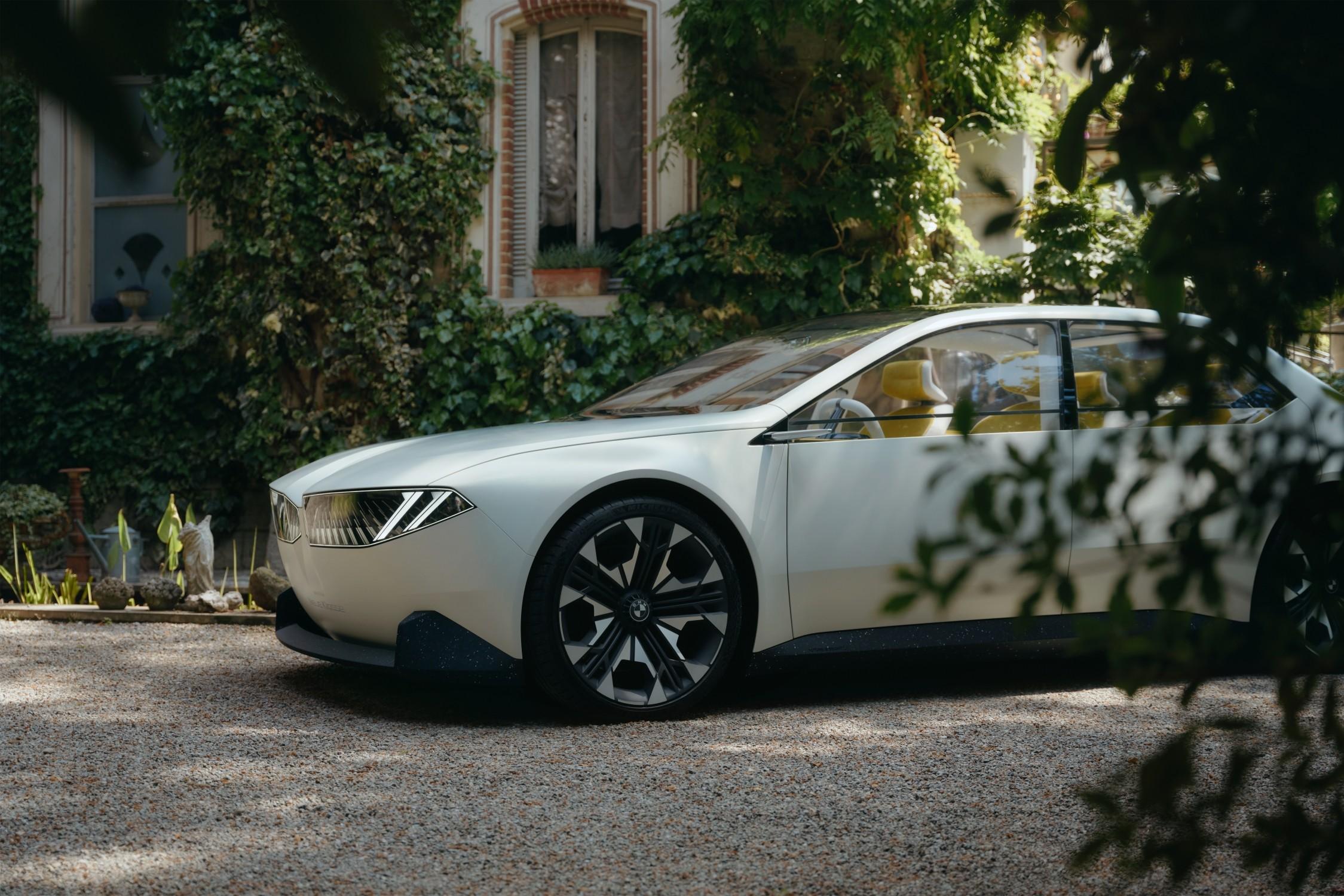
Long before becoming one of the world’s most recognizable luxury automotive houses, BMW began in the skies — building aircraft engines and shaping an idea of movement that still defines the brand today.
Some companies are born from fashion. Others from engineering. Few are born from the desire to move through the sky. Before becoming synonymous with luxury sedans, precision performance, and executive elegance, BMW began its story in a radically different world: aviation.
Founded in 1916 as Bayerische Flugzeugwerke in Munich, the company originally specialized in the production of aircraft engines during one of Europe’s most technologically ambitious periods. According to the official history of BMW Group Classic, the company’s early identity was deeply tied to engineering performance, reliability, and the idea that technology should not merely function — it should elevate movement itself.

For decades, one of the most repeated cultural myths surrounding BMW has concerned its logo. Many believe the blue and white circular emblem represents a rotating airplane propeller cutting through the sky. While the story has become part of automotive mythology, BMW itself explains that the logo primarily derives from the blue and white colors of Bavaria, the company’s home region, later visually associated with aviation through advertising imagery in the 1920s. Still, the symbolic connection remains powerful: motion, precision, and engineering in constant movement. In many ways, BMW’s identity has always represented an ethic of motion — technology not as static perfection, but as continuous evolution. As noted by BMW official heritage archives, the emblem eventually became inseparable from the idea of dynamic performance.
Yet BMW’s true transformation came when engineering entered culture.
After aviation restrictions following World War I, the company pivoted into motorcycles and later automobiles, gradually building what would become one of the most recognizable luxury identities in mobility. By the second half of the twentieth century, BMW had evolved beyond transportation and into aspiration. A BMW was no longer simply a machine; it became a statement of taste — disciplined rather than excessive, powerful without unnecessary spectacle.
The emergence of models such as the BMW 7 Series helped solidify the maison-like positioning of BMW within luxury culture: quiet confidence, technical sophistication, and executive presence. At the same time, performance divisions like the iconic BMW M3 turned engineering into emotion, creating a language of speed that felt intellectual rather than theatrical.

Today, BMW occupies a unique space within modern luxury. Unlike brands built solely on excess or spectacle, BMW continues to position itself through craftsmanship, precision, and long-term reliability. Publications such as Car and Driver and MotorTrend consistently frame BMW through a balance of engineering performance and everyday usability — a combination that partly explains the brand’s enduring cultural relevance.
In an era increasingly obsessed with visual excess, BMW remains attached to an older idea of luxury: quality that reveals itself over time. The leather interiors, precise driving dynamics, understated design language, and long-standing reputation for reliability contribute to an identity that feels less performative than many competitors. Luxury, in BMW’s world, has often meant confidence rather than noise.

Perhaps that is why BMW continues to matter culturally. Because at its core, the brand still carries traces of its original ambition: not simply to build vehicles, but to perfect movement itself.
Editor’s Note
Some luxury brands sell status. Others sell mythology. BMW has always sold something quieter: the idea that precision itself can become desire.
QEditorial Magazine – qeditorial.com



Leave a Reply