
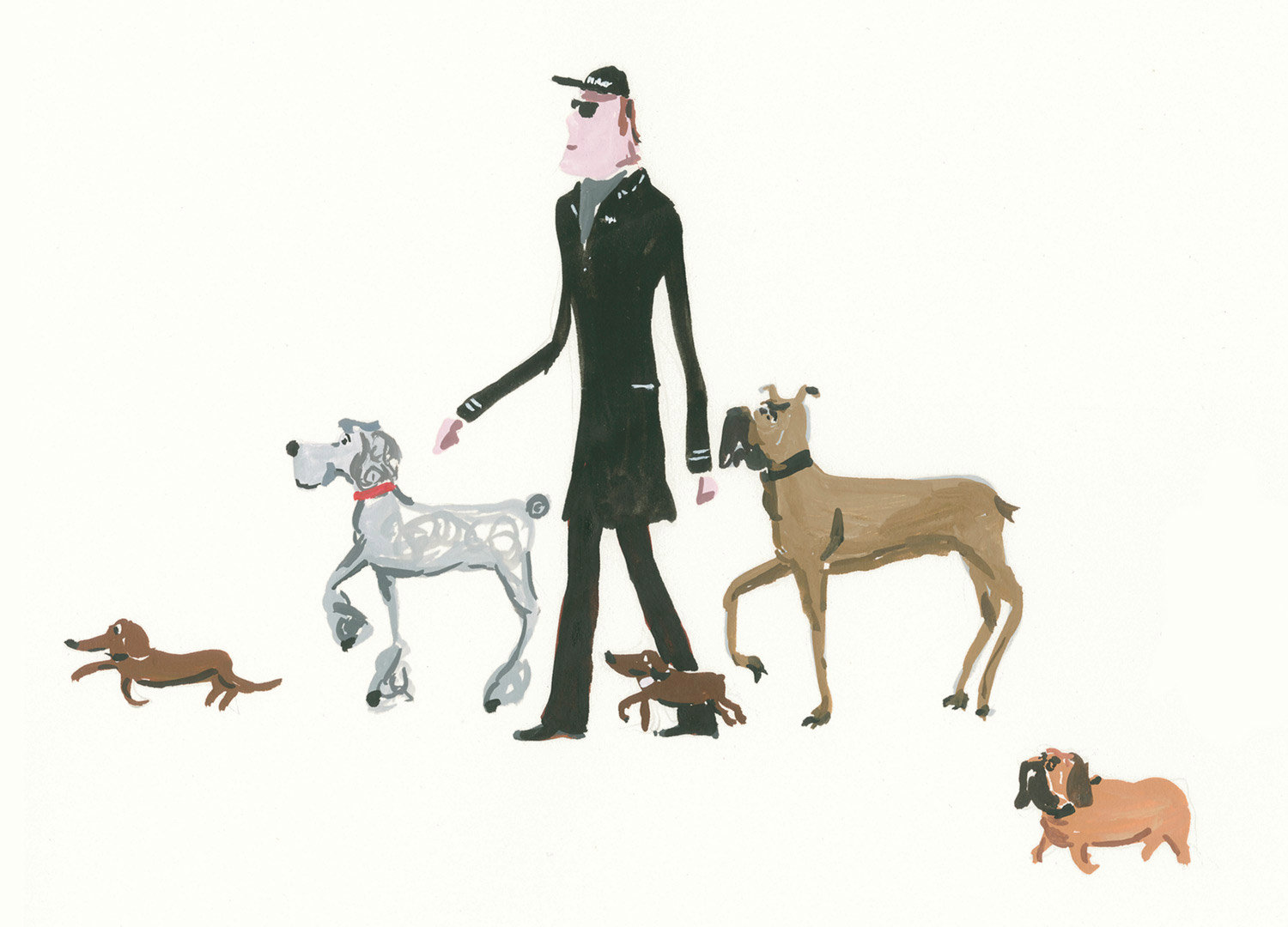
Three American hotels where dog hospitality becomes a new language of luxury, identity, and emotional travel.
There was a time when traveling with a dog meant compromise.
A polite question at the reception desk. A discreet exception. A room assigned quietly, almost as if the presence of the animal had to remain invisible.
Luxury hospitality, for a long time, belonged almost entirely to humans.
But something has changed.
Today, the dog is no longer simply tolerated inside the world of luxury travel. In certain hotels, the dog is welcomed as part of the guest’s emotional universe — part of the family, part of the journey, part of the identity that arrives at the front door.
This is not only a hospitality trend. It is a cultural signal.
The modern dog is no longer merely a pet. It has become companionship, memory, routine, affection, lifestyle. And when luxury hotels begin to understand this, they are not simply becoming “pet-friendly.” They are adapting to the emotional architecture of contemporary life.
The Mark Hotel, New York

The dog as fashion guest
In New York, few hotels understand the theatre of arrival like The Mark Hotel.
Located on Manhattan’s Upper East Side, The Mark is not simply a place to sleep. It is a visual language: black-and-white floors, polished doors, fashion-week energy, Met Gala mythology, and a particular kind of New York elegance that feels both controlled and cinematic.
Inside this world, the dog does not feel accidental.
The Mark has built one of the most recognizable luxury pet experiences in New York, including its dedicated “For Furry Guests” program and the celebrated “Spoiled Dog’s Menu” by Jean-Georges, with gourmet entrées and pet-friendly desserts created specifically for canine guests.
What makes The Mark interesting is not only the amenity itself, but the symbolism behind it.
A dog at The Mark is not treated as a logistical problem. It becomes part of the scene. Part of the room-service ritual. Part of the Upper East Side rhythm. Part of the image of a guest who travels not alone, but with a companion whose presence changes the meaning of luxury itself.
Here, dog hospitality becomes almost fashion-coded.
The dog is not an accessory.
The dog is part of the arrival.
The Beverly Hills Hotel

Old Hollywood glamour, now with paws
If The Mark belongs to New York’s fashion intelligence, The Beverly Hills Hotel belongs to American mythology.
The pink façade. The green-and-white stripes. The palms. The red carpet. The feeling that cinema never fully ended, but simply moved into hospitality.
At The Beverly Hills Hotel, dog hospitality enters a different emotional register: not urban sophistication, but Hollywood nostalgia. The hotel officially welcomes up to two fully house-trained dogs per room, with a weight limit of 20 kg / 45 lbs and a pet fee per stay, while asking that dogs remain leashed on the property and not be left unattended.
Yet beyond the policy, what matters editorially is the setting.
A dog at The Beverly Hills Hotel carries a very particular image: the dog beside the bungalow, the dog beneath the palms, the dog moving through a world of soft pink walls, tropical green, poolside glamour, and cinematic hospitality.
There is something almost tender about it.
Old Hollywood once created icons out of people, dresses, cars, gestures, and entrances. Today, the dog enters that same visual universe. Not as parody, not as excess, but as part of a broader cultural truth: luxury now follows the emotional life of the guest.
And for many guests, that emotional life has four legs.
Fairmont San Francisco

Heritage hospitality and the quiet dignity of companionship
In San Francisco, Fairmont San Francisco offers another version of luxury.
Here, the atmosphere is not fashion spectacle or Hollywood fantasy. It is heritage. Stone, flags, chandeliers, Nob Hill, ceremony, history. A kind of established American grandeur that speaks through architecture before it speaks through branding.
The hotel’s official guest-service information states that pets are welcome, with animals required to remain on a leash and not be left unattended in the room; seeing-eye dogs are always welcome and exempt from restrictions.
This creates a more restrained, classic form of dog hospitality.
At Fairmont San Francisco, the dog is not necessarily turned into a spectacle. Instead, the dog is accepted within the formality of the house. That distinction matters.
Not every luxury hotel needs to perform pet hospitality as extravagance. Sometimes the most elegant gesture is simply to make the companion feel naturally included — without noise, without theatrics, without forcing the emotion into marketing language.
In this sense, Fairmont San Francisco represents a quieter idea of dog luxury: the dignity of being welcomed into a historic space without having to justify one’s presence.
The new meaning of pet-friendly
The phrase “pet-friendly” now feels too small.
It belongs to another era, when hospitality treated dogs as an exception to be managed. But the most interesting hotels today are moving toward something more sophisticated: not merely accepting dogs, but understanding why their presence matters.
The Mark understands the dog as part of New York style.
The Beverly Hills Hotel understands the dog as part of Hollywood lifestyle.
Fairmont San Francisco understands the dog as part of heritage travel and emotional continuity.
Three hotels. Three cities. Three interpretations of the same cultural shift.
Luxury is no longer measured only by thread count, square footage, private cars, or room service. Increasingly, luxury is measured by whether a place understands the relationships that make us feel whole.
And this is why dog hospitality matters.
Because when a hotel welcomes the dog properly, it is not only welcoming an animal.
It is welcoming the life of the guest.
Editor’s Reflection
What interests us most is not that luxury hotels are now allowing dogs. That is only the surface of the story.
The real change is deeper.
Dogs have become part of how people define home, intimacy, identity, and emotional safety. When a luxury hotel recognizes this, it is no longer simply offering a pet amenity. It is responding to a new cultural reality: modern luxury is not only about what surrounds us, but about who — or what — we cannot imagine leaving behind.
For QEditorial Pet, this is the most important point.
Dogs are not entering luxury as accessories.
They are helping redefine it.
QEditorial Magazine — Fashion · Culture · Identity – qeditorial.com

The Mark Hotel New York entrance with dog
The Beverly Hills Hotel entrance with dog
Fairmont San Francisco exterior with dog


Leave a Reply