

How 2025–2026 pet style is evolving through comfort, personalization, and functional luxury

Pet fashion is no longer a niche curiosity. By 2025 and into 2026, it has become part of a larger cultural shift in which pets are seen not only as companions, but as emotional family members and extensions of lifestyle and identity. Across the market, the strongest directions are becoming clear: comfort-first dressing, personalized accessories, wearable technology, and a more refined visual language rooted in utility and taste. As PETS International noted in its feature on the modern dog walk, the category is moving toward “luxury, personalized and sustainable dog walking essentials.” (GlobalPETS / PETS International)
One of the most visible trends is comfortable athleisure for pets. Hoodies, sweatshirts, joggers, and soft outerwear now reflect the same relaxed mood that has shaped contemporary human fashion. The point is no longer to dress pets in costumes, but to create pieces that feel wearable, soft, and aesthetically aligned with the owner’s world. This is part of a broader maturation of the category: pet fashion is becoming less theatrical and more integrated into everyday style.
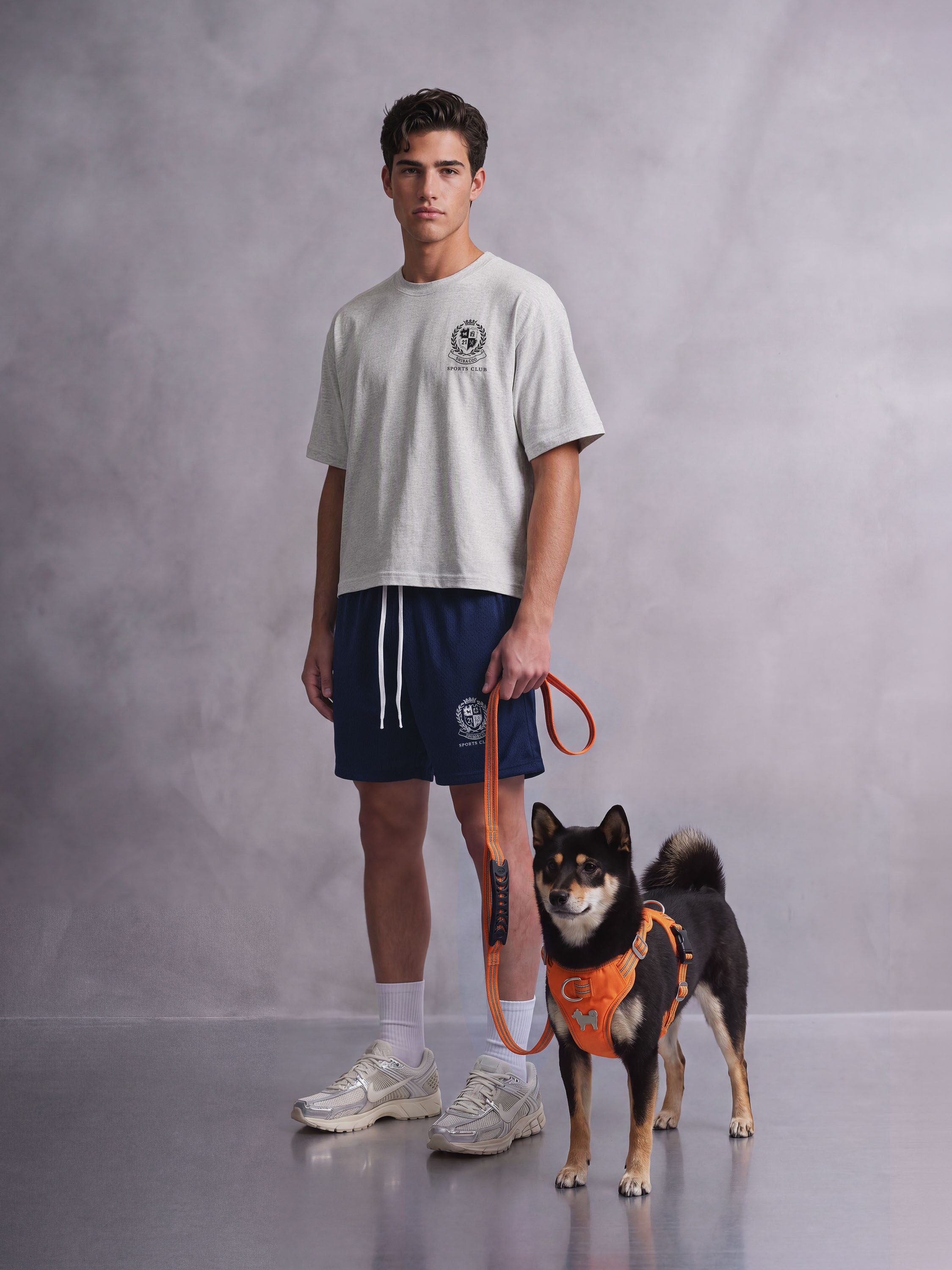
Another defining movement is matching style between pets and people. Coordinated dressing has become commercially and visually relevant because it creates a shared identity. It allows fashion to move beyond the owner alone and into a more emotional, domestic universe. A recent collaboration covered by WWD between Splendid and Wild One showed exactly this direction, with apparel for people and complementary styles for pets presented as a single lifestyle story. (WWD)
At the same time, personalization is becoming central to the category. Collars, harnesses, tags, and accessories increasingly carry names, initials, custom details, or breed-specific elements. This reflects a broader luxury instinct: consumers no longer want generic ownership, but emotional specificity. Personalization gives pet fashion a stronger sense of attachment, intimacy, and permanence. (GlobalPETS / PETS International)

The most forward-looking side of the market is wearable tech. Smart collars, GPS-enabled accessories, health-monitoring devices, and safety-focused apparel are no longer purely functional gadgets; they are entering the design conversation as a form of modern functional luxury. Pet Age highlighted this directly in its 2025 trend forecast, noting the rise of smart collars and vests with built-in GPS and health-monitoring features. (Pet Age)
Aesthetic direction matters too. Pet fashion is becoming more sophisticated in color and tone, with consumers leaning toward earthy palettes like moss green, chocolate brown, stone, sand, and muted neutrals. These shades feel calmer, more editorial, and more consistent with the wider luxury world. The visual vocabulary of pet apparel is shifting away from novelty and toward something more understated, wearable, and timeless. This aligns with the broader demand for essentials that fit naturally into a home, wardrobe, and lifestyle rather than standing apart from them.

In this context, Shiba&Co. deserves attention as a particularly relevant example. The brand presents itself as the first breed-specific pet fashion house specializing exclusively in Japanese Shiba Inus, a positioning that sets it apart from many traditional fashion labels that later expanded into the pet category. What makes that distinction important is that Shiba&Co. begins with the dog itself — its form, comfort, identity, and daily life — rather than treating pets as a secondary branding exercise. You can reference the brand here: Shiba&Co. Official Site and About Shiba&Co..
That approach reflects where pet fashion is heading. The most relevant brands of 2025–2026 will not be the ones that simply miniaturize human fashion for animals, but the ones that understand how to combine comfort, beauty, personalization, and performance in ways that genuinely respect the life of the pet. Even Shiba&Co.’s own product language emphasizes long-lasting materials and breed-focused attention, reinforcing the idea that pet fashion is becoming a serious design category rather than a decorative afterthought. (Shiba&Co. Leather Accessories)

Pet fashion today is not trying to prove it exists. It is trying to define what kind of industry it wants to become. The answer, increasingly, is clear: less gimmick, more intention; less costume, more culture; less excess, more function. The future belongs to brands that understand that luxury for pets should not only be seen — it should also be felt, lived, and deserved.
By Nicolò Di Stefano
Selected by the Editor
Where luxury is designed for Shiba Inus and their people.

For selected advertising and editorial partnerships, contact contact@qeditorial.com

Leave a Reply