

How image, lifestyle, and visibility began to replace depth, substance, and cultural formation

We live in an age that rewards appearance with extraordinary speed.
To appear is to exist. To be seen is to matter. To be visible is, increasingly, to be validated. This is one of the defining cultural shifts of our time: the gradual replacement of substance with projection, of formation with performance, of depth with image.
This does not mean that image has become unimportant. On the contrary, image has never been more powerful. But it has also become dangerously autonomous. It no longer simply reflects identity, knowledge, or cultural depth; it often replaces them. A carefully curated life now functions as social language. Lifestyle has become a form of public text, and visibility its most desired reward.
What was once built through study, taste, time, discipline, and experience is now often simulated through aesthetics alone. A person may look cultivated without being cultured, look refined without possessing discernment, look successful without having built anything lasting beneath the surface. The image arrives first, and in many cases, it is all that is asked to arrive.
This is the deeper problem with the culture of appearing. It is not vanity alone. It is the normalization of surface as sufficient truth.
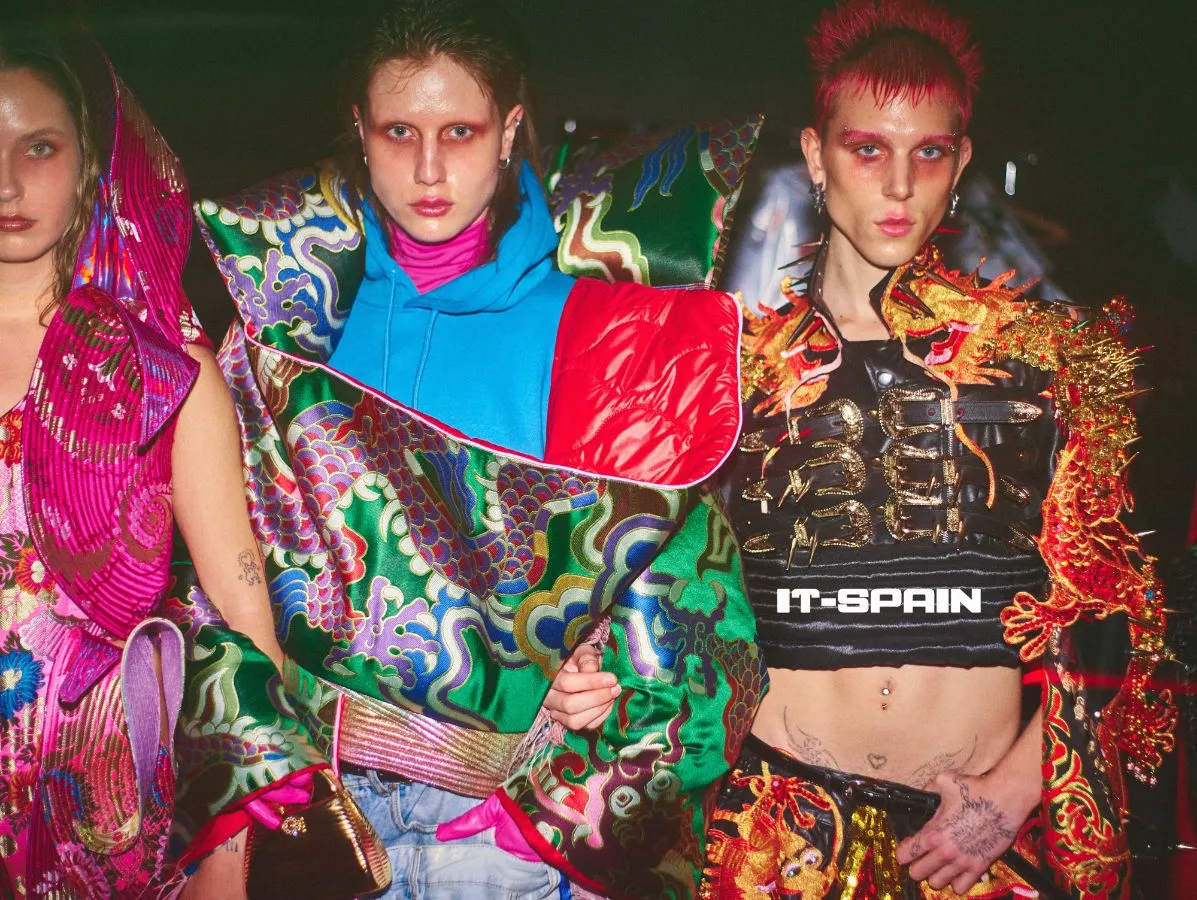
Fashion, of course, has always had a relationship with appearance. But fashion at its highest level is not merely surface. It is language, history, symbol, and cultural memory. Today, however, much of the visual world encourages a flatter logic: to be legible instantly, to be desirable immediately, to communicate status without requiring interpretation. In that system, complexity becomes inefficient. Depth becomes slow. Silence becomes invisible.
Social media intensified this transformation, but it did not invent it. It simply accelerated a pre-existing desire to turn life into display. The self is now continuously edited for public consumption. Meals, interiors, holidays, opinions, routines, even supposed authenticity are stylized and released into circulation. We do not simply live anymore; we increasingly stage our own existence.
And when life becomes staging, culture itself begins to weaken.
Because culture requires more than exposure. It requires attention. It requires memory, study, contradiction, and patience. It asks for the slow accumulation of references, values, and judgment. The culture of appearing, by contrast, favors immediacy. It rewards those who can package themselves most effectively, not necessarily those who have thought most deeply, read most carefully, or understood most fully.
This is why so much of contemporary public life feels polished and empty at once. We are surrounded by people, brands, and narratives that know how to signal meaning, but no longer always contain it. The form survives. The substance thins out.
And yet appearance remains seductive because it offers a shortcut. It allows identity to be performed before it is formed. It offers the illusion of arrival without the burden of development. It makes visibility feel like achievement.
But visibility is not depth.
Lifestyle is not character.
Image is not culture.
A culture that confuses these things risks losing its ability to distinguish what is merely attractive from what is actually meaningful. And perhaps that is one of the quiet crises of the present: not that we have become too visual, but that we have forgotten that images were once meant to point beyond themselves.
Today, too often, they end at the surface.

“In a world that rewards visibility, substance has become a quieter—and more necessary—form of resistance”
By Nicolò Di Stefano

For selected advertising and editorial partnerships, contact: contact@qeditorial.com



Leave a Reply