
What pet culture reveals about identity, projection, and contemporary style

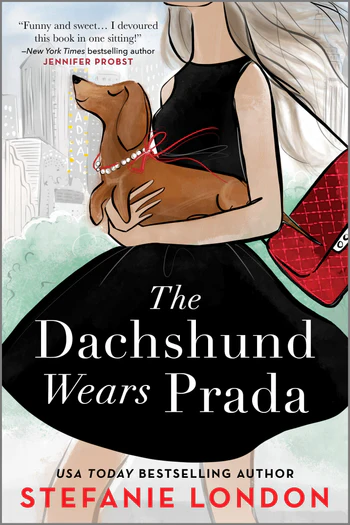
There was a time when identity was read through clothing alone. Today, it is also read through what surrounds us, what we care for, what we display, and even what we love publicly. That is why a title like The Dachshund Wears Prada feels more revealing than playful. At first glance, it looks like a clever cultural pun. But beneath the wit, it says something more contemporary: the pet is no longer outside identity. The pet has entered it.
Stefanie London’s The Dachshund Wears Prada, published by Harlequin, is a real contemporary romance title and the first book in her Paws in the City series. The book has also been adapted into the screen project Paws in the City, tied to The CW and CTV Life Channel.
Harlequin – The Dachshund Wears Prada
Author page – Stefanie London
Nexstar / The CW announcement
IMDb – Paws in the City
But what makes the title interesting is not its plot. It is the instinctive ease with which fashion language now attaches itself to the animal world. “Prada” is not used here simply as a brand reference. It is used as shorthand for taste, aspiration, polish, attitude, and image. The title works because we immediately understand the code. We no longer find it strange that the language once reserved for editors, runways, and luxury houses can now be projected onto a dachshund.
And that is precisely where the article becomes less about culture and more about identity.
The modern pet is no longer framed only as a companion. In many cases, it becomes an extension of emotional style and visual selfhood. People do not simply live with animals anymore; they integrate them into their aesthetic universe. The dog appears in portraits, on social feeds, in carefully chosen accessories, in routines, in interiors, and in public image. The pet becomes part of the way a life is narrated. What once belonged to affection now also belongs to projection.
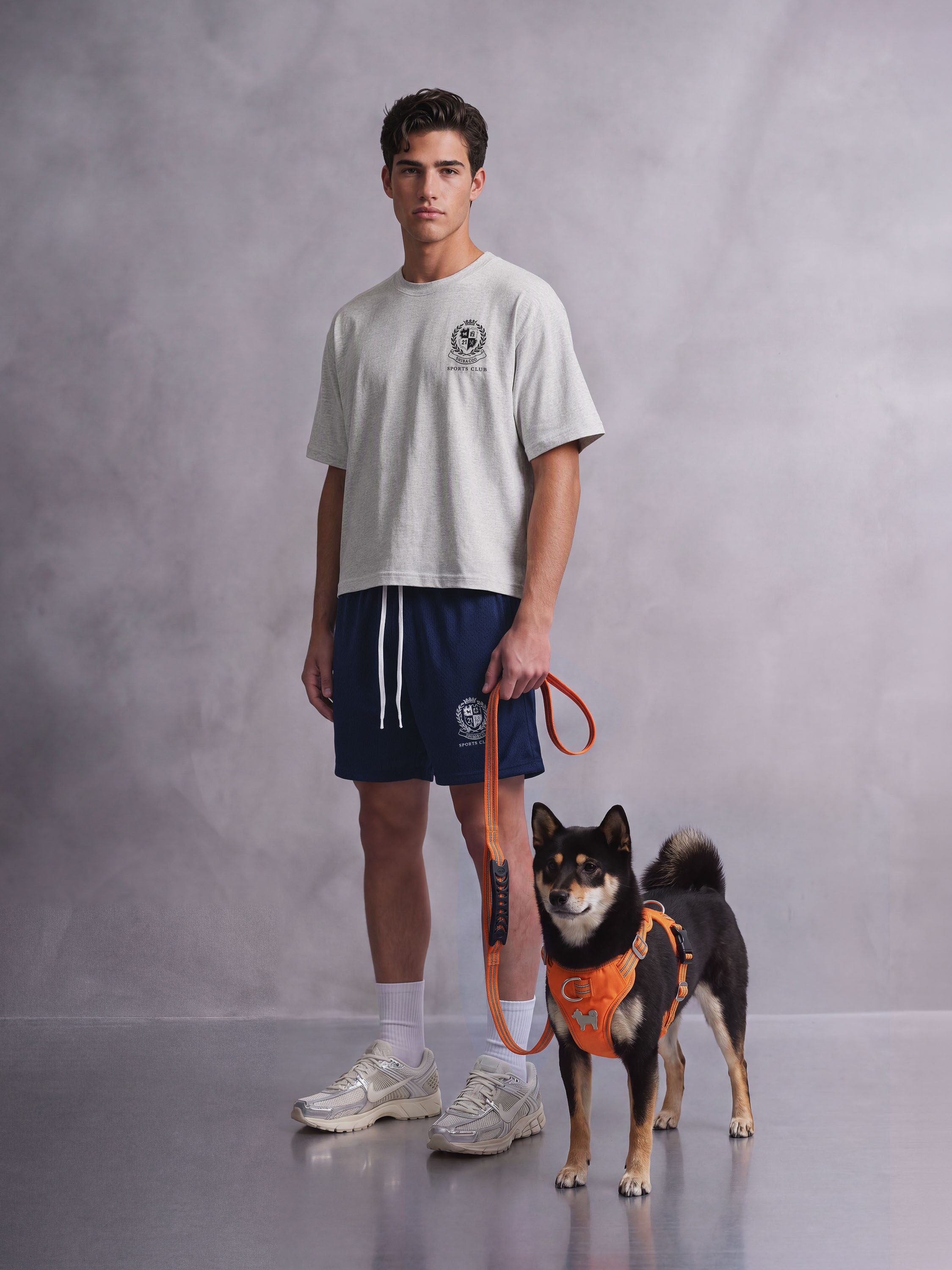
Fashion media has already understood this shift. Vogue has repeatedly treated dogs not as side notes, but as aesthetic subjects inside fashion imagery itself. Its “Dogue” world and features such as The Dogs of Street Style show how canines now move through the same visual system as fashion people do: they are styled, framed, observed, and editorialized.
Vogue – The Dogs of Street Style
Vogue – Dogue
This matters because identity today is no longer communicated only by what one wears. It is communicated by what one curates. Taste has expanded. It includes the home, the table, the coffee cup, the book on display, the hotel, the fragrance, the feed, and yes, the dog. In that sense, the pet has become part of a wider grammar of self-expression. Not an accessory, but not entirely outside image either. Something more intimate than fashion, yet increasingly inseparable from it.
That is why The Dachshund Wears Prada lands so neatly in the contemporary imagination. It captures, perhaps more clearly than it intends to, the way identity now travels through attachment. We project elegance, irony, softness, discipline, status, even fantasy onto the beings closest to us. We name them, dress them, photograph them, narrate them, and in doing so, reveal ourselves. The dog becomes not a costume, but a mirror.
For years, fashion used the animal as symbol: wildness, instinct, grace, exoticism, ornament. Now the relationship has changed. The animal is no longer only symbolic inside fashion. It is personal inside identity. And that may be one of the clearest signs of how lifestyle has evolved in the digital age: what we love is now part of what we are seen to be.
So no, the dachshund is not really wearing Prada. But the title works because the modern reader understands something deeper: style is no longer limited to the body. It has moved outward, into atmosphere, emotion, companionship, and projection. And once that happens, even the dog can carry the language of fashion.
In the end, what makes this title interesting is not its irony, but its accuracy. It reflects a world in which pets have become part of personal authorship. A world in which identity is softer, more emotional, more curated, and more visible than before. A world in which love itself has become aesthetic. And in such a world, it feels perfectly natural that even the dachshund might wear Prada.
Editor’s Reflection
What makes a title like The Dachshund Wears Prada interesting is not its wit, but what it reveals.
It reveals how far the language of fashion has traveled. Once reserved for garments, houses, silhouettes, and social codes, it now extends into the emotional architecture of everyday life. Into the things we keep close. Into the beings we love. Into the way identity is no longer worn only on the body, but projected through an entire personal world.
This is where the contemporary pet becomes editorially significant.
No longer just a companion, the pet has entered the visible language of selfhood. It appears in our images, our rituals, our interiors, our aesthetic decisions, and increasingly, in the way we communicate who we are without saying it directly. The animal is no longer outside personal image. It has become part of it.
That is why this title resonates so easily. Not because we believe a dachshund belongs to fashion, but because we already understand that fashion today belongs to a wider system of identity—one shaped by affection, projection, taste, and emotional authorship.
In that sense, the title is less ironic than precise.
It reflects a world in which style has moved beyond dress and into atmosphere. A world in which intimacy has become visible. A world in which even love carries aesthetic form.
And perhaps that is one of the clearest truths of contemporary identity: we no longer express ourselves only through what we wear, but through everything we choose to bring into our image of life.
By Nicolo Di Stefano
For selected advertising and editorial partnerships, contact: contact@qeditorial.com


Leave a Reply