
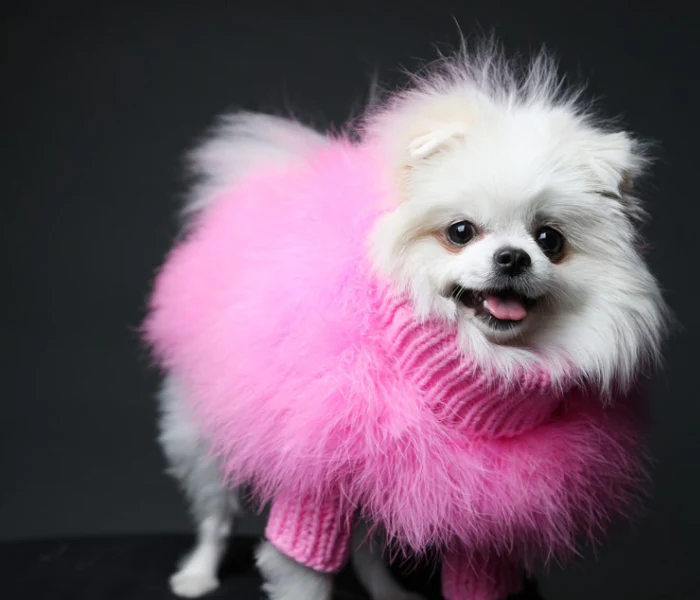
How maxbone turned dog accessories into objects of lifestyle, design, and contemporary taste.

There was a time when buying something for a dog meant entering a world of pure function.
A leash had to hold.
A coat had to protect.
A bed had to be washable.
A bowl had to serve food.
The visual language around pets was often practical, sentimental, or overly cute. It rarely entered the same conversation as fashion, interiors, lifestyle, or cultural identity. But in recent years, that separation has started to disappear. Dogs are no longer only companions inside the home. They are part of how people move through the city, how they travel, how they photograph their lives, and how they express taste.
This is where maxbone becomes interesting.
Founded by Parisa Fowles-Pazdro, maxbone presents itself as a modern pet-care and lifestyle brand built around the idea of helping dogs “feel good, look good, and get more out of life.” The statement may sound simple, but it reflects a larger shift: pet products are no longer expected to exist outside design culture. They are now asked to participate in it.
What makes maxbone stand out is not only that it makes products for dogs. It is that it understands dogs as part of a contemporary lifestyle ecosystem. Its world includes apparel, carriers, collars, leashes, beds, toys, bowls, grooming products, and seasonal essentials. But visually, the brand does not speak the old language of the pet store. It speaks the language of modern interiors, street style, and fashion-led consumption.
Its aesthetic is clean, polished, and deliberately current. There is a sense that the dog is not being dressed as a joke, but styled as part of a shared domestic and urban identity. The products are not only accessories for the animal. They are accessories for the life built around the animal.

That distinction matters.
The rise of pet fashion is often misunderstood as excess or novelty. But at its best, it reveals something more human: the way people extend care, taste, and identity into every part of their lives. For many dog owners, especially in cities, the dog is present in daily rituals — morning walks, coffee runs, weekends away, hotel stays, social spaces, and even work routines. The objects surrounding that relationship inevitably become cultural objects too.
Maxbone seems to understand this with unusual clarity.
The brand’s collaborations are especially revealing. A partnership with designer Christian Cowan brought a more theatrical fashion sensibility into dog apparel, combining maxbone’s chunky knit silhouette with Cowan’s playful feather accents. The result was not simply a dog sweater. It was a statement piece, designed for a pet world increasingly comfortable with runway language, image culture, and visual drama.
The Marc Jacobs x maxbone capsule pushes the conversation even further. Featuring pieces connected to artists such as Hattie Stewart and Derrick Adams, the collaboration turns dog carriers, collars, leashes, toys, raincoats, and puffer vests into objects that sit between pet accessory and fashion merchandise. These are not anonymous functional products. They are designed to be seen.
This visibility is part of the point.
In the same way that a bag, shoe, coat, or piece of jewelry can communicate identity, the objects chosen for a dog now communicate something about the owner’s taste, lifestyle, and cultural references. The dog becomes part of the visual composition of everyday life. Not as a prop, but as a companion whose presence influences the aesthetic of the home, the street, and the image.

That is why maxbone feels relevant beyond the pet category.
It belongs to a broader cultural movement in which the boundaries between fashion, design, domestic life, and emotional attachment continue to blur. The pet industry is no longer only about utility or care. It is also about belonging, lifestyle, and visual language. A dog bed may need to be comfortable, but it is also expected to fit into an apartment. A carrier must be practical, but it may also need to look appropriate beside a designer coat. A leash must function, but it can still carry a point of view.
Maxbone’s strength lies in treating these expectations not as contradictions, but as the new normal.
There is also something distinctly contemporary in the way the brand balances softness and aspiration. It does not abandon cuteness, but it refines it. It does not reject function, but it frames function through style. It understands that today’s pet owner may care about comfort, safety, convenience, and design at the same time.
This is perhaps the real evolution of pet fashion: not dressing animals to imitate humans, but designing for a shared life between humans and animals.
A dog does not need fashion in the human sense. But a dog does live inside human culture. It lives in our apartments, our photographs, our routines, our cities, our emotional lives. The products we choose for them become part of that environment. They become part of how care is expressed.
Maxbone’s importance is not that it makes dogs look fashionable. Its importance is that it recognizes pet care as part of contemporary taste.
And in a world where identity is increasingly built through the details of daily life, even the leash, the coat, the carrier, and the bed are no longer just objects.
They are part of the story.
Editor’s Note
This article is part of QEditorial Magazine’s ongoing exploration of how fashion, lifestyle, design, and cultural identity are expanding into new territories, including the contemporary pet world.
Maxbone is discussed here as a case study in the evolution of pet fashion and lifestyle branding. The article is intended for editorial, cultural, and commentary purposes only. All brand names, product references, collaborations, and visual materials mentioned remain the property of their respective owners.
Any images, product visuals, or campaign materials used in relation to this article are included solely for editorial reporting, cultural commentary, review, or educational purposes. QEditorial Magazine does not claim commercial ownership of any third-party images, trademarks, products, or brand assets.
Rights holders, photographers, artists, or brand representatives may contact QEditorial Magazine for credit corrections, additional attribution, or removal requests.
QEditorial Magazine — Fashion · Culture · Identity
QEditorial.com


Leave a Reply