
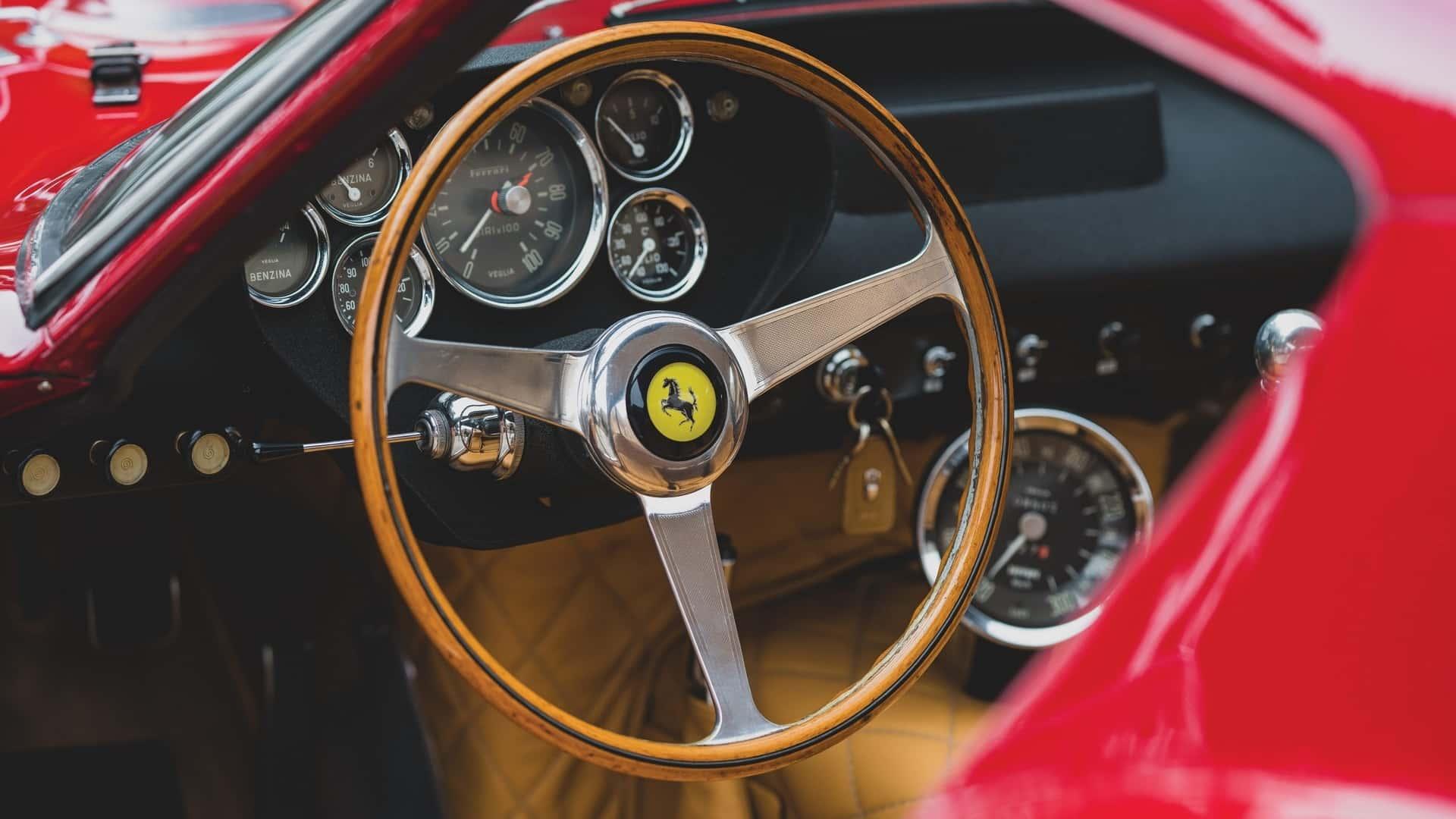

From Ferrari to fashion, architecture to interiors, design language is the silent vocabulary through which objects become culture.
Why does a car feel powerful before the engine starts?
Why does a hotel lobby communicate calm, status, or intimacy before anyone says a word?
Why does a chair, a handbag, a watch, or a room sometimes feel luxurious before we even understand why?
The answer is design language.
Design language is the invisible grammar of objects. It is made of proportion, line, material, color, texture, silence, weight, repetition, and memory. It is the reason a Ferrari can suggest movement while standing still, why an Hermès bag can communicate restraint without needing a logo, and why a minimalist interior can feel almost spiritual before it becomes functional.
As Architectural Digest has explored through the rise of emotional design, spaces and objects do not only serve us. They affect us. They calm, energize, seduce, reassure, or intimidate.
Design, in this sense, is never only decoration.
It is communication.
When Form Becomes Emotion
Every important object carries a visual language.
A Ferrari speaks through speed, proportion, and tension. A Rolls-Royce speaks through presence and silence. A Japanese interior speaks through restraint. A luxury hotel speaks through material, lighting, and ritual.
Before we understand these codes intellectually, we feel them emotionally.
This is why great design survives trend. It does not depend only on novelty. It depends on recognition. When a shape, color, or proportion becomes emotionally memorable, the object begins to live beyond its function.
It becomes cultural.
This is also why luxury cannot be reduced to price. True luxury is not simply expensive. It is legible. It knows how to speak without explaining itself.

Ferrari and the Architecture of Desire
Few brands demonstrate this better than Ferrari.
A Ferrari is not recognized only because of its badge. It is recognized because its design language has become part of global visual memory. The elongated hood, the low stance, the sculptural body, the tension between elegance and aggression — these elements create a vocabulary of desire.
Even outside the automotive world, Ferrari remains a design reference. Wallpaper* has followed Ferrari’s evolution as a world of performance, design, and visual culture, showing how the brand continues to exist beyond engineering alone.
This is why the Ferrari 250 GTO still feels contemporary. It belongs to the past, but its proportions remain alive. Its beauty was not designed for digital attention. It was designed through necessity, performance, and instinct.
And perhaps that is why it still speaks so clearly.
The Ferrari 250 GTO does not ask to be understood.
It is immediately felt.

Why Luxury Depends on Codes
Luxury brands survive when they create codes strong enough to be repeated without becoming tired.
A color.
A silhouette.
A material.
A sound.
A gesture.
A line.
Fashion understands this deeply. Chanel has tweed, pearls, black and white, and the camellia. Hermès has leather, restraint, orange, and equestrian memory. Ferrari has red, speed, bodywork, and Italian desire.
As Business of Fashion has noted in its discussion of logo-free luxury, the most powerful luxury today is often not the loudest. It is coded. It is understood by those who know how to read it.
That is where design language becomes identity.
A brand does not become iconic because it changes constantly. It becomes iconic because it repeats certain signals until they become unmistakable.
Recognition creates trust.
Trust creates desire.
Desire creates permanence.

The Silence of Good Design
The strongest design often does not shout.
It holds the eye.
It creates atmosphere.
It allows the object to feel inevitable, as if it could not have been designed any other way.
This is true in architecture, where a building can communicate power, intimacy, or spirituality through space alone. It is true in interiors, where light and material can create emotional memory. It is true in automotive design, where movement can be suggested before motion begins.
Dezeen’s coverage of contemporary architecture and design often shows how objects and spaces are no longer judged only by utility, but by the cultural language they create around us.
Design is no longer simply about how something looks.
It is about what it means.
The New Era of Design Language
Today, design language matters more than ever.
We live in a world oversaturated with images, products, interiors, cars, fashion collections, and visual identities. Everything competes for attention. But attention alone is no longer enough.
The real question is not whether something is visible.
The real question is whether it is memorable.
This is why luxury brands, hospitality groups, architects, designers, and automotive houses continue to return to codes. In a fast-moving world, codes create continuity. They allow a brand or object to remain recognizable even as it evolves.
A hotel can change location.
A fashion house can change creative director.
A car can change technology.
But if the design language remains coherent, the identity survives.
When Objects Begin to Speak
The most powerful objects do not only perform.
They communicate.
A Ferrari communicates desire.
A chair communicates posture.
A room communicates belonging.
A garment communicates identity.
A building communicates power, silence, or memory.
This is why design language is not a secondary detail. It is the emotional structure beneath culture. It shapes how we move, what we desire, what we trust, and what we remember.
Before objects become luxury, they become language.
And before they become language, they learn how to make us feel.

Editor’s Note
At QEditorial, design is never treated as surface alone.
Whether through fashion, automotive culture, architecture, interiors, hospitality, or art, we are interested in the deeper question beneath form:
What do objects reveal about the culture that creates them?
Design language matters because it reminds us that beauty is rarely accidental. It is a system of signs, emotions, memories, and intentions — one that speaks before words arrive.
QEditorial Magazine – qeditorial.com



Leave a Reply