
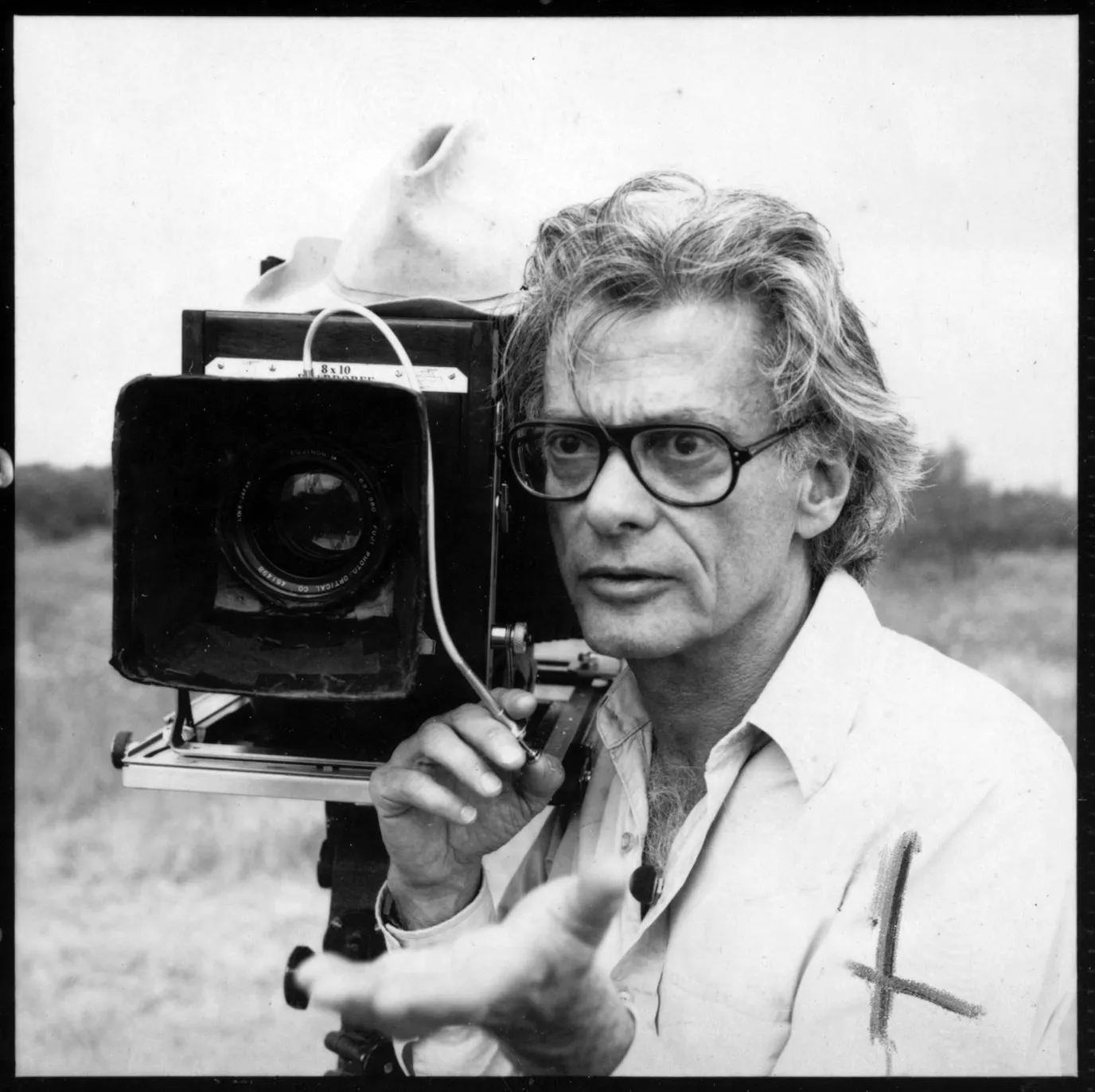
How Richard Avedon transformed fashion photography from still image into emotion, movement, and modern identity.

Fashion photography was not always movement.
Before the middle of the twentieth century, fashion often existed in stillness. Models stood almost motionless, garments carefully displayed like objects in a catalogue, elegance measured through posture rather than feeling. Photography documented clothing. Rarely did it create emotion.
Then came Richard Avedon.
What Avedon changed was not simply fashion imagery, but the very psychology of visual culture. He transformed fashion photography from presentation into narrative — from posed beauty into tension, movement, vulnerability, and identity. In many ways, contemporary fashion imagery still lives inside the language he invented.
According to the official history of The Richard Avedon Foundation, Avedon began working in fashion photography in the 1940s, later becoming one of the defining visual forces behind magazines such as Harper’s Bazaar and Vogue. Yet reducing him to a “fashion photographer” would miss the point entirely. Avedon did not photograph fashion. He photographed humanity wearing fashion.
When Fashion Began to Move
Perhaps the greatest revolution Avedon introduced was movement.
At a time when models largely remained static, Avedon brought energy into the frame. Women ran through streets, danced in cafés, laughed, jumped, turned, and interacted with the world around them. Clothing no longer appeared frozen; it behaved like part of life.
Fashion became cinema.
Working first at Harper’s Bazaar alongside legendary art director Alexey Brodovitch, Avedon absorbed the idea that photography should create rhythm and emotion. The editorial page became theatrical. Suddenly, fashion photography felt alive.
One image in particular would redefine the entire medium.

The Photograph That Changed Fashion Forever
There are iconic fashion photographs, and then there are photographs that alter visual history.
Few images belong to the latter category more than “Dovima with Elephants” (1955).
Shot at the Cirque d’Hiver in Paris, the image presents model Dovima wearing a dramatic black evening gown by Christian Dior, standing between enormous circus elephants.
The contrast remains almost surreal: fragility beside power, refinement beside rawness, couture against chaos.
Even decades later, the image still feels strangely modern.
You can explore the image through The Metropolitan Museum of Art archive, where it continues to be recognized as one of fashion photography’s defining works.
What made Avedon extraordinary was that beauty alone never interested him. Tension did.
The White Background and the Violence of Simplicity
If fashion was where Avedon moved, portraiture was where he stripped everything away.
His portraits often removed distraction entirely. No room. No scenery. No visual escape. Only a white background and the subject facing the lens.
Minimalism became confrontation.
Whether photographing Marilyn Monroe, Malcolm X, The Beatles, or artists surrounding Andy Warhol, Avedon searched for the moment where performance collapsed and vulnerability quietly surfaced.
One of his most haunting portraits of Marilyn Monroe is not glamorous at all. Instead, it reveals exhaustion, solitude, and emotional distance — the uncomfortable humanity behind one of the most manufactured images in American culture.
This tension between image and truth remains one of the reasons Avedon still feels contemporary.

Beyond Fashion: In The American West
Perhaps unexpectedly, one of Avedon’s most important works had little to do with luxury.
Between 1979 and 1984, he travelled through the American West photographing miners, drifters, oil workers, ranchers, waitresses, and laborers. The resulting project, In the American West, challenged assumptions about portraiture, beauty, and social identity.
Published as both an exhibition and book, the project revealed faces marked by labor, exhaustion, pride, and fragility.
The series can still be explored through The Avedon Foundation archive.
It proved something powerful: Avedon’s fascination had never been glamour itself.
It was people.
Why Richard Avedon Still Defines Fashion Today
The strange thing about Avedon is how contemporary he still feels.
Luxury campaigns today frequently chase exactly what he understood decades ago: emotion over perfection, tension over polish, humanity over staging.
Movement in editorials. Psychological portraiture. Narrative campaigns. The collision between elegance and discomfort.
Much of it traces back, in some way, to Avedon.
Fashion today often speaks about storytelling. Avedon was already doing it before the word became strategy.
He understood something that still feels true:
fashion is never only about clothes.
Fashion is posture. Presence. Power. Performance. Vulnerability.
And perhaps more than anyone else, Richard Avedon taught fashion how to breathe.

Editor’s Reflection
In an era where images are produced endlessly and consumed in seconds, Richard Avedon reminds us that photography once asked us to stop and look — not only at beauty, but at tension, silence, discomfort, and truth.
Perhaps this is why his work still feels alive.
Because great photography does not simply document fashion.
It reveals the person hiding inside it.


Leave a Reply