

Luxury Was Never an Object

Luxury was never an object. It represents an elevation, one that acts on feelings before reaching our wallets.
We are used to labeling certain objects as luxuries. Treats we allow ourselves when we want to feel special. But what we are actually looking for is something that transcends the material. It is a sense of satisfaction we hope each purchase will grant us.
Every purchase stems from an emotional need, and when it comes to luxury fashion, this need is greatly amplified. Despite their undeniable quality within the market, a luxury product — say, a luxury bag — does not necessarily hold the value its price signals when considered through objective parameters. As customers, we are well aware that buying from Chanel, Hermès, or Dior is not an action driven solely by the necessity of purchasing something. Rather, it is a step we take toward a specific status. One that is elevated when compared to the average level. One that moves vertically.
Fashion Is Horizontal
Finding a singular definition of fashion would be almost impossible. The term is surrounded by nuances that have allowed several interpretations of its meaning. One of the most interesting ways to understand it comes from Rome Business School, which describes fashion as a visual language through which we communicate who we are, how we see ourselves, and how we relate to the world around us.
Fashion does not only concern clothes. It also includes behaviours, attitudes, and even habits. Overall, fashion is a means of self-expression — one that, when adopted on a large scale, can begin to feel less personal and more marketised. When we consider its intrinsic roots, therefore taking global trends out of the equation for a moment, fashion becomes something individuals use to distinguish themselves.
Fashion therefore moves horizontally because it operates from individual to individual. It does not aim to place one person above another, but rather to express how one differs from the other.

What, Then, Is Luxury?
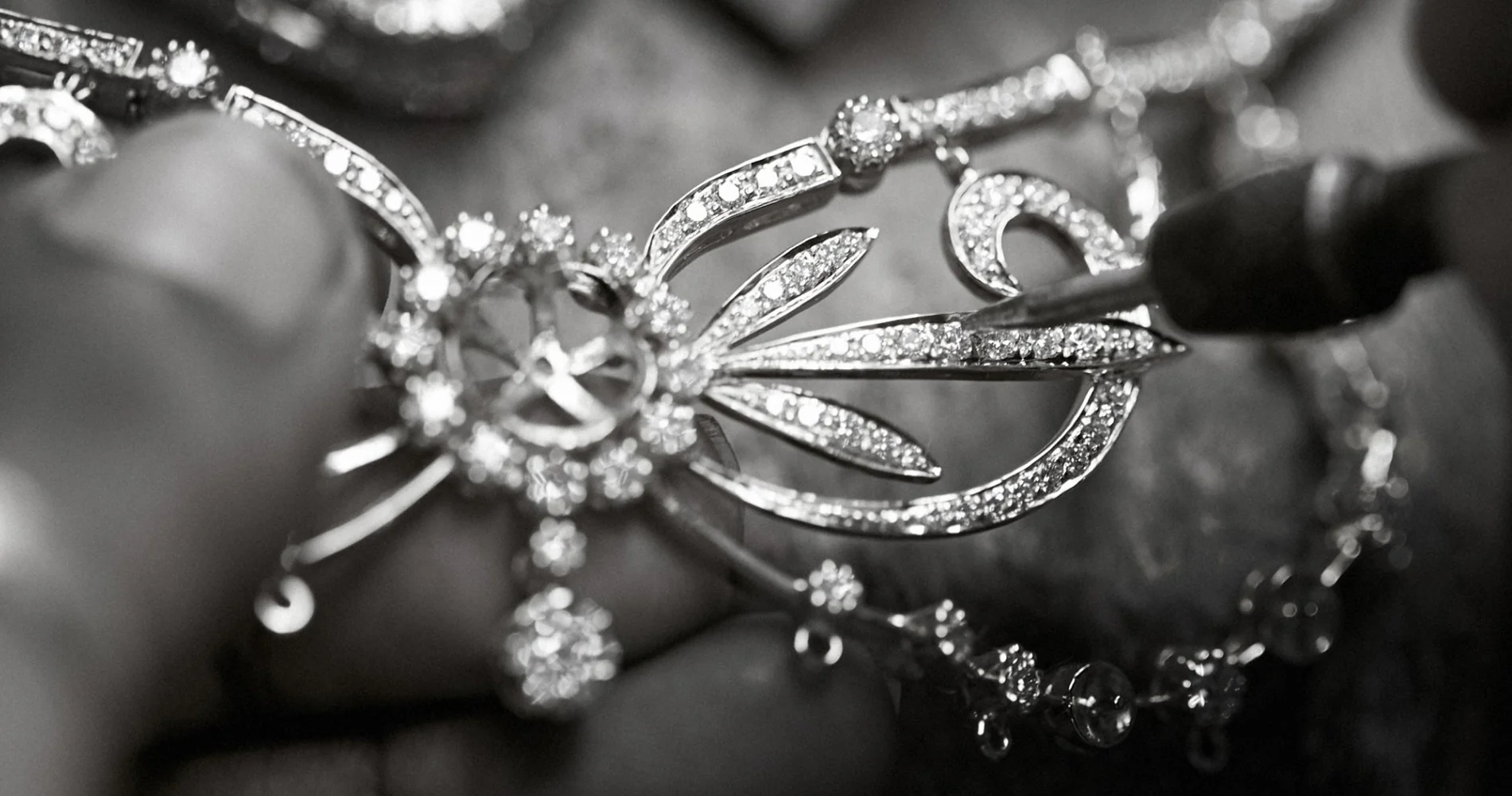
Luxury is subject to another nuance, as the term has been overused by marketers, brands, and clients alike. Allegedly, there are four pillars at the core of luxury: craftsmanship, exclusivity, heritage, and storytelling. Each of them operates in harmony with the others, because without their full cooperation, the message would not be able to come through with the same force.
Luxury is what is capable of elevating the individual — and through that elevation, granting them a higher status within the hierarchy of society. It does not have to be an object, but it has to be something scarce enough to create a sense of urgency in those who are looking for it. It is an unspoken rule, one that, despite being mastered by few, is understood by all.
In 2026, marketers have found that luxury is no longer limited to the retail sector — although, to be fair, it has been some time since clients began shifting their attention away from in-store purchases. While it is commonly agreed that products are not going anywhere, brands have increasingly started to invest in different domains that favour experience over traditional retail. Through the delicate years we have lived so far, people have come to the conclusion that perhaps, after all, the real luxury is the chance to slow down and actually live one’s life, rather than rush through it.
Luxury in 2026: Wellness, Experience, and Time
As highlighted in McKinsey’s yearly State of Fashion report, experiential luxury and wellness are becoming increasingly central to the future of the luxury industry. According to LGT Wealth Management US, McKinsey estimates that luxury hospitality spending could exceed $390 billion by 2028, marking significant growth from the $293 billion spent in 2023.
But this market prediction does not come as a surprise, considering that we have witnessed the opening of several brand-managed restaurants, exclusive retreats, and new interpretations of the in-store experience.
This evolution is also visible in the way luxury houses are rethinking physical retail. In an interview with Jonathan Anderson for The Financial Times, Delphine Arnault described how Dior’s Avenue Montaigne location was designed to create something exceptionally intimate and special for clients, including a suite and the possibility of private shopping experiences beyond ordinary store hours. It is just one of the many examples that reveal the trajectory on which luxury is evolving.
If luxury once carried more vain connotations, perhaps linked to the desire to flaunt one’s status through the way one dressed, it now forces people to ask themselves whether they value more how they spend their time or what they use to fill their closets.
From a Yahoo/YouGov poll, a newfound desire for privacy emerged. While the survey was designed to discover how many people would like to be famous — not how many would like to be wealthy — it is inevitable to connect the dots and wonder whether the desire, or lack of desire, for fame can shift alongside the wish to spend one’s money on luxury items.
Maybe visibility has lost part of its prestige because being followed by millions of people on social media was never the cure for a life of loneliness. In the same way, a wardrobe full of designer items was never the equivalent of a fulfilled life.

Therefore, Is Luxury a Versatile or Established Concept?
One may suppose that the ever-changing landscape of the fashion industry could lead to a constant adjustment of the definition of luxury. But, despite even the biggest shifts, what people seek through luxury has remained the same.
Something exclusive, capable of elevating the individual.
What has changed are the means used to satisfy these feelings — means that, more than replacing one another, have taken turns on the pedestal.
We can recognise that what we seek through luxury will never be fulfilled solely through a material item, and yet we may still save our money to purchase that very item. But while the clothes we buy are able to meet our most vain wishes, the shift toward a more experience-based approach makes undeniable the effects that our fast-paced, chaotic, and often uncertain lifestyles have had on our purchasing behaviours.
People now value their time more because it has become one of the scarcest resources.
Brands have noticed it and, as has already happened in the past, the needle of luxury has once again been reoriented.

Q VOICE
Written by Rebecca Krizman
Published as part of Q Voice, the editorial space by QEditorial Magazine dedicated to emerging and independent perspectives in fashion, culture, identity, and contemporary thought.
QEditorial Magazine — Fashion · Culture · Identity



Leave a Reply