
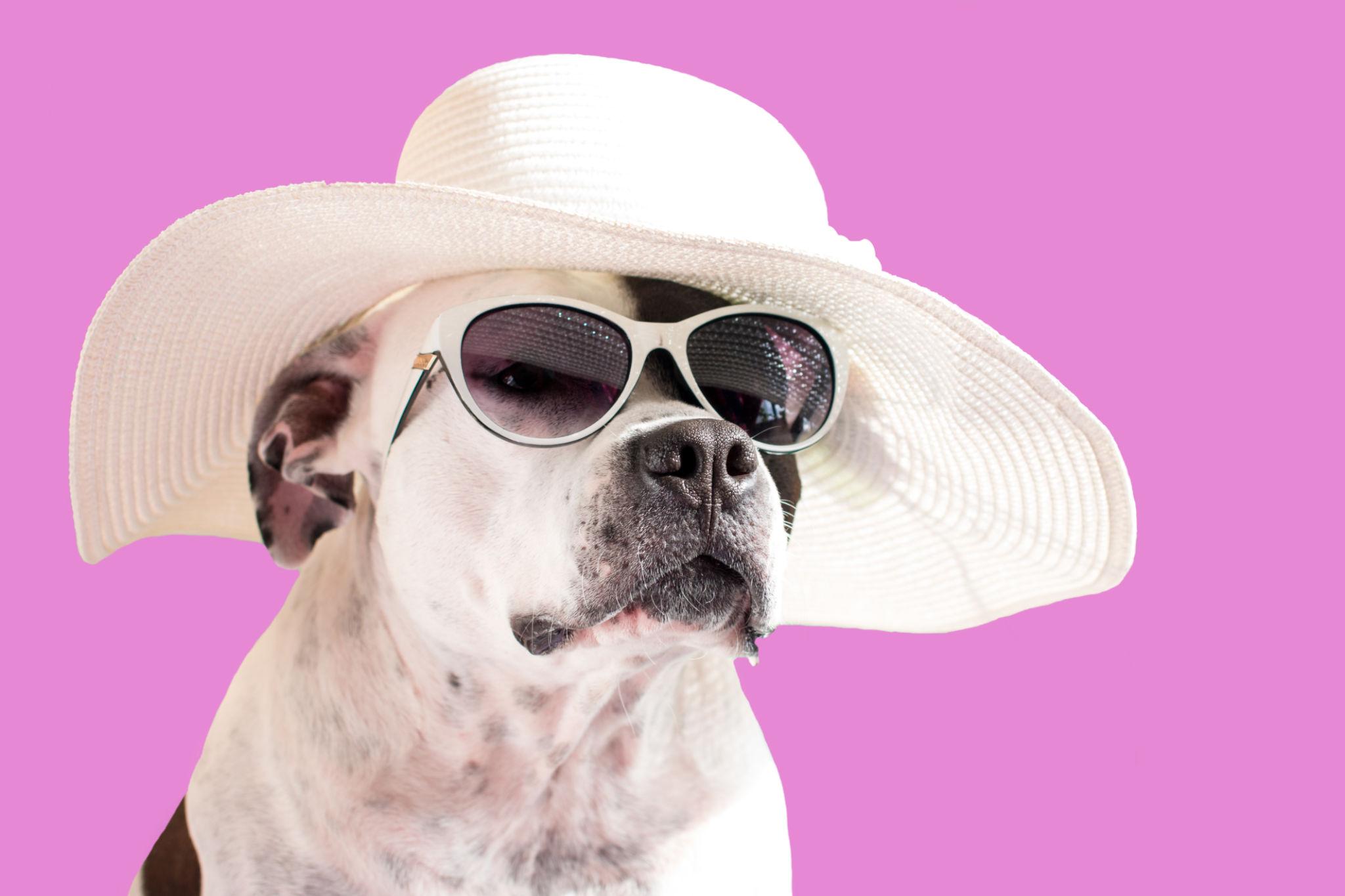

Summer changes the language of daily life. Streets become brighter, walks feel longer, and the air itself seems to ask for a slower rhythm. For dogs, however, the warm season is not only a matter of beauty or leisure. It is a season that requires attention, discipline, and a more conscious form of care.
A dog does not experience heat in the same way a human does. While we may adjust with lighter clothing, shaded terraces, or a glass of cold water, dogs depend heavily on panting to regulate their body temperature, and they can only sweat in limited areas such as their paws and nose. Organizations such as the Royal Kennel Club and the RSPCA remind owners that this makes dogs far more vulnerable to overheating and heatstroke than many people realize.
The first act of summer care is timing. Walks should move away from the theatrical brightness of midday and into the softer hours of early morning or evening. The sidewalk, especially in cities, can become much hotter than the air around it, turning a simple walk into a risk for the paws. The American Kennel Club notes that hot pavement can quickly become dangerous, while the RSPCA Australia advises testing the pavement with the back of your hand: if it feels too hot after a few seconds, it is too hot for your dog.

Water becomes more than a detail. It becomes part of the architecture of care. A bowl at home, a portable bottle during walks, shaded pauses, and cooler indoor spaces are not accessories to summer life; they are essentials. The American Veterinary Medical Association recommends constant access to fresh water and shade during warm weather, especially when pets are outdoors.
There is also a cultural mistake many owners make: assuming that summer grooming means removing as much fur as possible. In reality, a dog’s coat often acts as protection. The ASPCA advises that while trimming longer hair may be appropriate, dogs should not be shaved, because the layers of the coat can help protect them from overheating and sunburn. This is especially important for double-coated breeds such as the Shiba Inu, where the coat is not simply decoration, but part of the dog’s natural regulation system.
Heat also requires observation. A dog that is panting heavily, drooling, seeking shade, slowing down, refusing to continue walking, vomiting, or appearing weak may already be showing signs of overheating. Cornell University’s Riney Canine Health Center identifies heavy panting, shade-seeking, whining, reluctance to play, and drooling as possible early signs that a dog is becoming too hot. In that moment, the response should be immediate: move the dog into a cooler place, offer water, use cool — not icy — water to help lower body temperature, and contact a veterinarian if symptoms continue or worsen.
To care for a dog in summer is to understand that elegance is not only visual. It is behavioral. It is knowing when not to walk. It is choosing shade over exposure, grass over asphalt, silence over overexertion. It is the quiet decision to protect the animal even when routine, vanity, or convenience would suggest otherwise.

In the world of pet fashion, summer often invites color, fabric, travel, and lifestyle imagery. But beneath the surface of that aesthetic world there must always be responsibility. A well-dressed dog is not only one that looks beautiful. It is one that feels safe, comfortable, and understood.
Summer, at its best, teaches a slower form of love. One made of water bowls, cooler hours, shaded walks, and the discipline of paying attention.
Editor’s Note
This article follows When Fashion Entered the Dog World as a reminder that the culture of pet style must always begin with care. Beauty, in the dog world, has meaning only when it respects comfort, safety, and the life of the animal itself.



Leave a Reply