

Relaxed silhouettes, butter yellow, and romantic textures are shaping the mood of fashion now.

Fashion in 2026 is not moving in a single direction. It is looking backward and forward at once. On one side, there is the continued pull of Y2K nostalgia: low-slung trousers, sporty references, playful styling, and a certain ease that rejects anything too rigid or overworked. On the other, there is what can best be described as soft drama—a more emotional, romantic, and textured way of dressing, where lace, satin, sheer layers, and movement bring feeling back into fashion. Major fashion titles are describing Spring 2026 as more expressive, more tactile, and more personal than the era of strict minimalism that dominated recent years.
What makes this moment interesting is that it does not feel like a costume revival. Y2K in 2026 is not about copying the early 2000s literally. It is about refining its codes. Low-rise and slouchy trousers are back, but they are styled with a more polished attitude. Sporty references remain important, but they appear next to fluid blouses, elegant flats, and structured accessories. Even festival dressing, long associated with clichés, is now being reimagined through billowy pants, lace-trimmed slips, lingerie-inspired halters, and Y2K sunglasses worn with far more restraint.
At the heart of the 2026 wardrobe is silhouette. The prevailing shape is softer, looser, and more relaxed. Oversized trenches, undone poplin shirts, loose tailoring, wide-leg pants, balloon silhouettes, and easy cotton separates all point toward a new form of elegance—one that values freedom of movement as much as visual impact. This is not the sharp, severe tailoring of power dressing in its old form. It is a gentler idea of authority: one built on proportion, comfort, and confidence.
Color plays a major role in making this softness visible. Butter yellow, in particular, has emerged as one of the clearest defining shades of the season. Fashion editors are treating it not as a passing novelty, but as a modern near-neutral—subtle, luminous, and surprisingly adaptable. Its appeal lies in its delicacy: it brings light into a look without demanding attention in the way brighter shades do. In 2026, butter yellow feels less sugary than it once might have and more intelligent when paired with contrast, texture, or muted tailoring.

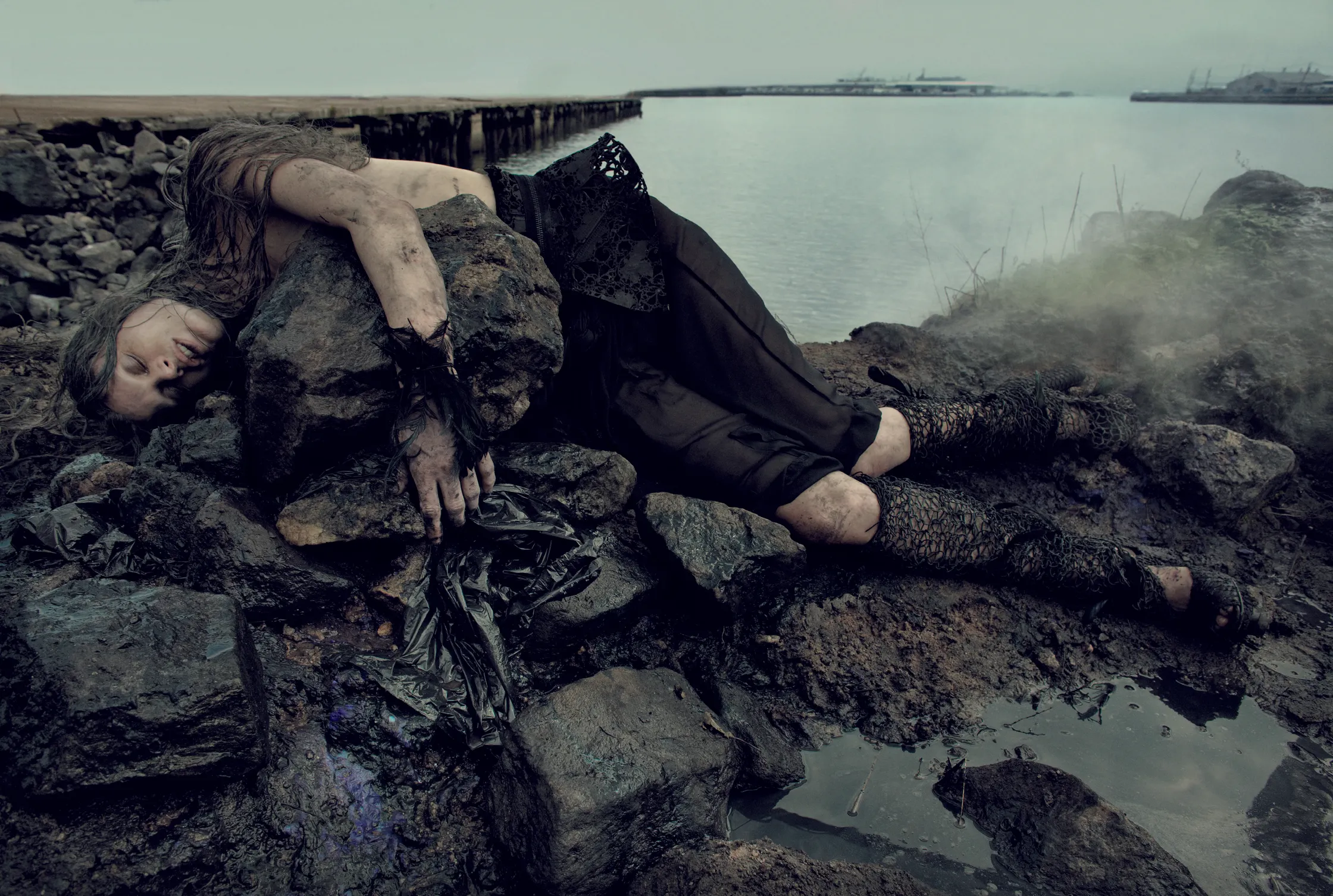
Texture, meanwhile, is where 2026 becomes emotionally interesting. Vogue has highlighted tactile fabrics and movement—fringe, feathers, and frothy lace—as central to the Spring 2026 mood. Who What Wear has gone further, describing 2026 as a year marked by the “return of romance,” with ruffles, peplum shapes, lace, velvet, gathered skirts, and a broader shift toward fashion that feels lighthearted, whimsical, and deliberately soft. This is where the idea of soft drama becomes most useful: the drama is still there, but it is diffused through fabric, gesture, and mood rather than through aggression or excess.
Even sexiness has changed. In 2026, it is no longer built around loud provocation. The new allure is quieter and more self-possessed: sheer fabrics, body-skimming cuts, flashes of skin, and delicate materials styled with precision rather than spectacle. There is a notable difference between dressing to attract attention and dressing with certainty. The latter is what defines much of fashion right now. The sensuality of 2026 is softer, more intentional, and therefore, in many ways, more powerful.
This is why the current fashion landscape feels so compelling. It is not simply nostalgic, and it is not purely romantic either. It is a fusion of both. Y2K contributes attitude, youth, and informality. Soft drama contributes emotion, elegance, and visual depth. Together, they create a wardrobe that feels modern because it understands contradiction: relaxed but polished, nostalgic but not retro, sensual but restrained, playful yet refined.
In the end, 2026 fashion is telling us something important. After years of severity, sameness, and aesthetic caution, style is becoming expressive again. Not louder for the sake of noise, but richer in feeling. Clothes are recovering their ability to suggest fantasy, intimacy, and softness—without losing relevance in everyday life. That is why butter yellow matters. That is why lace matters. That is why a relaxed trouser, a sheer layer, or a low-slung silhouette can suddenly feel new again. Fashion is no longer choosing between nostalgia and modernity. In 2026, it is using both to create a new language of desire.
By Nicolò Di Stefano
Selected by the Editor
A project from a world where fashion meets animal identity.


Leave a Reply