

In an age of noise, confusion, and endless performance, identity has become one of the rarest forms of luxury.

There was a time when identity was not something to be displayed so urgently.
It was not built for immediate visibility, nor shaped for constant public interpretation. It emerged more slowly — through family, education, memory, silence, belonging, contradiction, and time. One became someone gradually. Identity was not a slogan. It was not content. It was not performance. It was a process of interior formation.
Today, that process has become far more difficult.
We live in a culture that rewards visibility more than depth, immediacy more than reflection, and performance more than coherence. We are encouraged to present ourselves before we have fully understood ourselves. To speak before we have clarified our thoughts. To construct an image before we have built a foundation. And in that acceleration, identity risks becoming aesthetic before it becomes substance.
This is why knowing who you are has become a luxury.
Not luxury in the commercial sense.
Not luxury as price, ornament, or exclusivity.
But luxury as rarity. As inner clarity. As the quiet privilege of not being internally fragmented by the demands of the outside world.
Because to know who you are today requires resistance.
It requires resisting imitation in an age built on replication. Resisting borrowed language, borrowed values, borrowed aesthetics, borrowed desires. It requires the discipline to step back from the choreography of public life and ask a more difficult question: what remains of the self when performance is removed?
This is no small question.
Modern identity is constantly under negotiation. It is shaped by algorithms, trends, social approval, political climates, digital aesthetics, and the subtle pressure to belong to something legible. People are no longer simply expected to live; they are expected to narrate themselves while living. To package their personality into a readable form. To become understandable at a glance. To turn complexity into image.
And yet the self does not flourish under constant exhibition.
There is a profound difference between being seen and being known. One belongs to the surface. The other belongs to depth. One depends on reaction. The other depends on truth. Much of contemporary life has collapsed these two experiences into one, as if visibility itself were proof of identity. But it is not. Being visible is not the same as being formed.
In this sense, confusion has become one of the defining conditions of modern life.
People change styles, opinions, aesthetics, affiliations, and ambitions at extraordinary speed, often not because they are evolving in any deep sense, but because the culture around them is unstable, accelerated, and hungry for novelty. The self becomes exposed to the same logic that governs trends: update, replace, reframe, relaunch. Identity, once rooted in continuity, begins to resemble fashion at its most disposable.

And this is where the crisis begins.
Because a society that loses its depth of identity becomes vulnerable to imitation at every level. Individuals imitate one another. Cultures imitate dominant narratives. Nations imitate symbols of power. Even rebellion begins to look standardized. The result is a world filled with expressions of self that are increasingly visible yet strangely interchangeable.
To know who you are, then, is no longer a simple developmental milestone. It is an act of preservation.
It means maintaining an inner axis in a culture of interruption. It means keeping contact with values that are not updated weekly. It means understanding that identity is not discovered through endless exposure, but through selective attention: what one protects, what one refuses, what one remains loyal to when visibility is no longer the goal.
True identity has very little to do with theatrical self-definition.
It is not loud. It is not desperate to be recognized. It does not constantly reshape itself to remain socially fluent. On the contrary, it often appears quiet. Precise. Self-contained. It carries a certain distance from trend because it is anchored elsewhere — in conviction, in memory, in discipline, in experience honestly lived.
That is why it feels luxurious.
In a world that pushes people toward instant expression, there is something profoundly rare about someone who has taken the time to form a real self. Someone whose style is not imitation, whose opinions are not assembled for approval, whose image is not a substitute for substance. Such a person does not merely appear coherent. They are coherent.
And coherence is now one of the rarest things in contemporary culture.
Perhaps this is why style, at its highest level, still fascinates us so deeply. Not because it is decorative, but because at its best it reveals inner order. The most compelling people are rarely those who wear the most expensive clothes or perform the boldest image. They are those whose presence suggests alignment — between what they think, what they value, how they live, and how they appear. Elegance begins there.

The same is true for culture.
A culture that knows who it is does not need to scream for relevance. It does not abandon itself at every global trend. It does not mistake imitation for progress. It evolves, certainly, but without erasing its internal grammar. It remains open without becoming hollow. In that sense, identity is never only personal. It is civilizational. The fragility of identity in individuals often mirrors the fragility of identity in societies.
And so the question becomes larger than self-expression.
What does it mean to remain intact in an age that rewards fragmentation?
What does it mean to cultivate depth in a world structured around display?
What does it mean to know yourself when everything around you encourages adaptation before reflection?
It means choosing slowness where the culture demands speed.
It means choosing truth over legibility.
It means understanding that not every version of the self deserves to be performed.
Some parts of identity must be protected in order to mature.
This too is a form of elegance.
There is elegance in self-knowledge.
Elegance in restraint.
Elegance in not needing to become endlessly visible in order to feel real.
And above all, elegance in being able to stand inside one’s own identity without constant negotiation.
That is why, today, knowing who you are is not merely psychological stability. It is cultural resistance.
The future may belong to those who are able to remain inwardly whole while the world becomes louder, faster, and more imitative. In such a time, identity will no longer be a casual inheritance. It will be a discipline. A construction. A safeguard. And perhaps even a form of private wealth.
Because in an age of noise, one of the rarest things a person can possess is not visibility.
“In a culture obsessed with being seen, the rarest luxury is still the ability to remain deeply, quietly, and unmistakably yourself”
Selected by the Editor
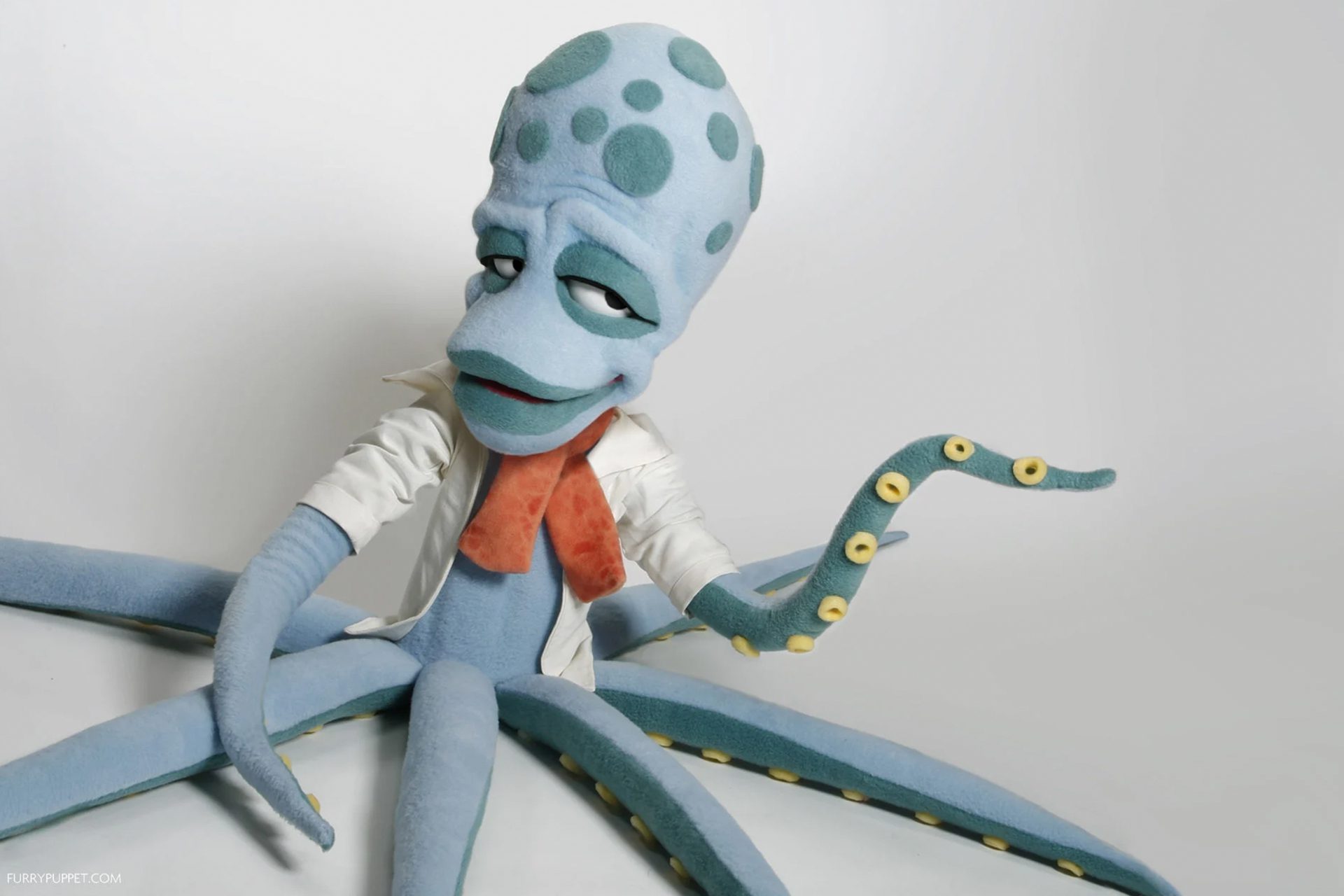
A project from a world where fashion meets animal identity.
Editor’s Code: QEditorial5
Receive 5$ off your order at Maison Animuse
Shop Now >

For selected advertising and editorial partnerships, contact contact@qeditorial.com

Leave a Reply