
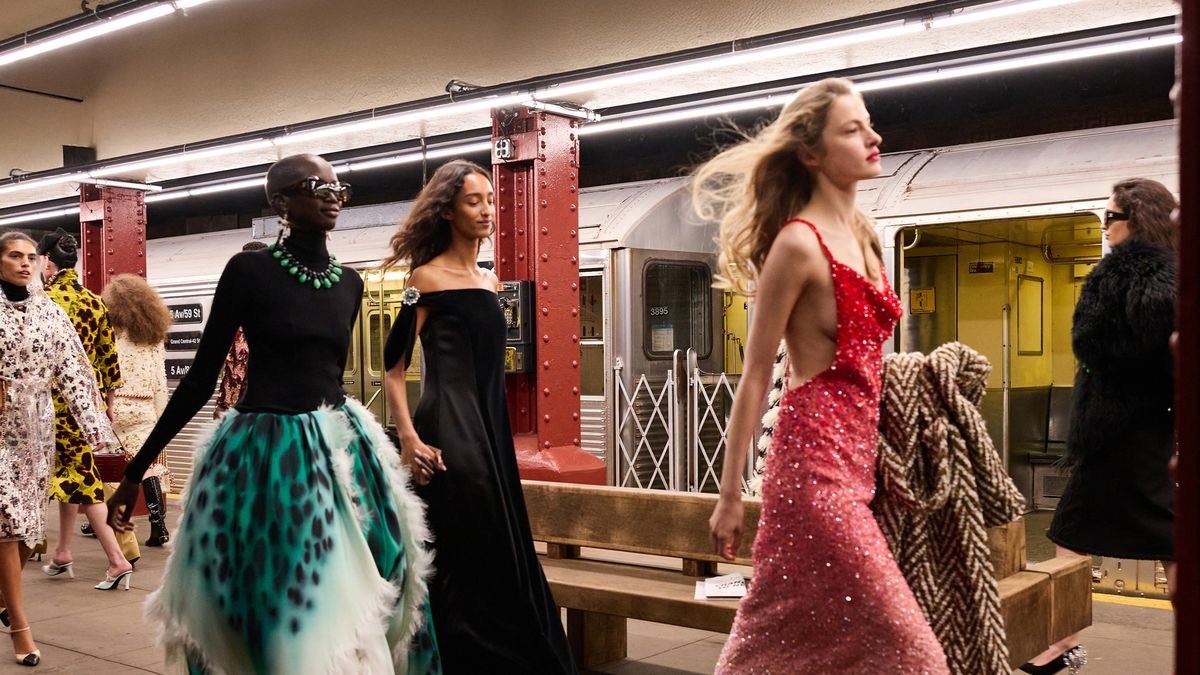
How Jonathan Anderson at Dior and Matthieu Blazy at Chanel are redefining luxury fashion through craftsmanship, heritage, authenticity, and a new understanding of what modern consumers truly want.

For decades, luxury fashion has been about exclusivity, status, and aspiration, almost like a distant industry accessible only to a very select group of people. However, in 2026, the luxury fashion industry is undergoing major changes that are reshaping how luxury is perceived, consumed, and understood.
The numbers are speaking for themselves. The latest reports from Bain & Company and Fondazione Altagamma, which study the global luxury market, have highlighted a loss of around 50 million luxury consumers over the last two years, with only a smaller portion of brands continuing to experience growth. The results suggest that the post-pandemic luxury boom is fading, as consumers become more cautious with their spending and reassess their relationship with luxury.
On the surface, it might look like the industry is facing a financial issue. But on a deeper level, the real issue begins with changing consumer behavior. We are currently living in times of uncertainty and awareness. People are less driven by illusion and pretension, and more in touch with their reality and the social climate around them.
People are investing more in long-term, durable items and wellness. They no longer want to buy luxury for aspiration alone; they want to buy luxury goods that can grow older in their wardrobes. They are no longer buying only for status; they are buying for comfort, quality, and practicality. They are no longer buying only for fantasy; they are buying based on their needs and lifestyles.
Where luxury fashion was once about curating high-fashion items as symbols of aspiration, today it is increasingly about finding pieces that will endure the test of time and hold real value. What was once about exclusivity is now also about authenticity, resonance, and real connection, with customers prioritizing quality, community, and meaning.
So, to speak, luxury fashion is entering a season of a new approach toward what luxury is: an approach based on what people truly need rather than on aspiration alone. It is an approach that two of the most well-known fashion makers of our time have understood and are actively showcasing through their work at two of the biggest luxury fashion houses: Dior and Chanel.
The New Way of Making Fashion: Jonathan Anderson
Jonathan Anderson became the first person since Christian Dior himself to serve as the sole creative director across all divisions at Dior. Since arriving at the house, Anderson has begun shaping a new chapter for Dior, one guided by craftsmanship, heritage, and a modern understanding of luxury.
Throughout his work, his creative language has emphasized the importance of Dior not only as a luxury fashion house, but as a house built on savoir-faire. In this context, craftsmanship and heritage are not accessories to the brand; they are the foundation of it.
Luxury goods are known to be expensive, and when product quality becomes questionable, it naturally reduces the enthusiasm of buyers. Anderson’s work at Dior seems to testify to a form of luxury in which savoir-faire and heritage remain central to the brand, underscoring the idea that luxury goods should be less about beautiful garments alone and more about quality, technique, and craftsmanship.

Craftsmanship as the Real Luxury
If you ask me how I would define luxury, I would say, without hesitation, that it is an experience.
When we buy items, whether clothing or housewares, we tend to seek a solution, a relief, a souvenir, or, in other cases, something that resonates with us emotionally. The fashion industry has long been known for consumers who buy from a place of aspiration and status, in a system where fashion insiders often decide the value of clothing.
However, nowadays, people are looking for authenticity and quality. People are treating luxury goods more like investment pieces rather than impulsive purchases. They are carefully evaluating whether a luxury item is worth its price by studying its material, technique, and durability.
Craftsmanship is becoming one of the main pursuits of luxury brands, as they have realized that people are no longer drawn by concepts and stories alone, but by well-made items. This pushes the idea that luxury should be about excellence in production, excellence in product, and excellence in experience.
This is a philosophy that Anderson seems to embody at Dior: designing garments that do more than magnify the wearer. They add value and durability to a wardrobe while still offering interesting, beautifully crafted pieces.
I think buying luxury goods should feel the same as making an investment purchase, where the item is truly worth the price.
The Consumer Is Rewriting Luxury
Clothing is produced for people to wear, and fashion exists so they can tell their stories through it — that is a quote of mine.
It is no secret that the fashion industry has long been dictated and shaped by insiders: designers, stylists, editors, critics, and those with the power to decide what should be trendy, what was cool, and what was worthy of becoming the “It” item. In one way or another, they subtly influenced our wardrobes.
However, in 2026, the roles are shifting. Consumers now decide which collection was a success, which garment deserves enough attention to become trendy, and which designers are worth their attention and money. This is such a big difference from the fashion we knew ten years ago.
And this change is affecting luxury fashion brands. As consumers become more powerful, the primary objective becomes staying relevant to them. At the same time, this shift highlights the reality that buying luxury goods should be an addition to life, not a bag of illusion.
At Dior, Jonathan Anderson is not designing illusion; he is designing actuality. He is using craftsmanship as a ritual, as a philosophy, while preserving the DNA of the brand by reimagining Christian Dior’s key silhouettes through a modern approach. His Dior feels less rigid and more relevant to its current public, designing garments that justify their worth through exceptional construction and enduring design.
The New Way of Making Fashion: Matthieu Blazy
Matthieu Blazy was appointed Artistic Director of Fashion Activities at Chanel in December 2024, succeeding Virginie Viard. His arrival at Chanel felt almost like a breath of fresh air, bringing silhouettes that recall the house’s DNA alongside a savoir-faire that speaks to both couture and ready-to-wear.
What is interesting about Blazy’s work at Chanel is how his designs emphasize clothing that feels wearable for different kinds of women, across industries, occupations, ages, and lifestyles. His philosophy of the Chanel woman appears to be rooted in the idea of a real woman: one who ranges across different ages, responsibilities, and realities. She dreams, but she also acts in real life.
His collections seem to accentuate this idea, suggesting that luxury fashion is not only about restraint, fantasy, or distance, but also about resonance and diversity. Chanel under Blazy’s helm becomes a journey of balance: between what women need and what they desire, between heritage and innovation, between fantasy and real life.
A New Luxury Beyond Distance
Whether you are an insider, a fashion enthusiast, or someone who barely cares about fashion, it is clear that fashion can be extremely exclusive. This has often allowed distance to be seen as a form of luxury.
Prices that can reach thousands of dollars for a dress, the gatekeeping inside the industry, and the repetition of the same faces at the forefront can all make fashion look like an industry made for a specific group of people. But in reality, fashion exists so we can dare to tell our stories, to feel connected, and to feel seen.
These values seem to resonate with Blazy’s vision at Chanel. His clothing feels less about the elite or about one specific group of women. For a long time, Chanel was often categorized through ideas of old-money elegance or a more mature type of femininity. But Blazy appears to be designing garments that offer more options to women of different ages, vocations, and ways of living.
His designs are compelling not only because of their beauty, but because of their ability to resonate with the modern woman. They move beyond distance and fantasy, offering a vision of luxury grounded in relevance, ease, and emotional connection.

In doing so, consumers are responding to something deeper: designs that understand their realities, desires, and evolving lifestyles, especially in a time when women are seeking fashion that reflects who they are rather than who they are expected to be.
With this approach to fashion, Blazy reminds us that luxury is not only about admiration; it is also about understanding.
Many call it Blazymania, but I see a designer who understands that luxury is an experience, one in which the consumer is served according to her needs.
Heritage as a Living Language
Another thing Blazy has been referencing through his work is heritage. He treats heritage as a language that can be translated through interpretation rather than nostalgia.
His designs preserve Chanel’s house codes with a contemporary sensibility. They are designed for the current consumer while ensuring that heritage evolves alongside the women it serves.
In an era where authenticity defines desirability, heritage has become one of luxury’s strongest signals of value. Consumers are increasingly investing in houses whose history offers not only prestige, but credibility.
People do not want to buy Chanel simply because of its name. They want to buy Chanel because of the reputation the brand holds, the quality it promises, and the language it has built over time. This is an example of the truth that luxury hides in practice and language, not only in name tags or prices.
Closing Thoughts
Luxury has never been static. Like fashion itself, it evolves alongside the people it serves. What is emerging today is a vision of luxury that feels less like a burden and more like an addition to everyday life — a complement to how people live rather than an unattainable fantasy.
It is a form of luxury rooted in value, quality, and longevity, where purchases are made not for hype or status alone, but for relevance and lasting worth.
Through the work of designers such as Jonathan Anderson and Matthieu Blazy, this new philosophy is slowly but surely taking shape. It is one where heritage remains alive, craftsmanship becomes the ultimate marker of value, and luxury finds its purpose not only in spectacle or fantasy, but in meaning and in consumers’ needs.
And one thing is certain: luxury fashion will continue to evolve.
Written by Hadassa Serrano
Q Voice Contributor, QEditorial Magazine
Fashion · Culture · Identity
QEditorial.com
Editorial Image Disclaimer
Images are used solely for editorial, cultural commentary, review, reporting, and informational purposes. QEditorial Magazine does not claim ownership of third-party images, trademarks, or copyrighted materials unless otherwise stated. All rights remain with their respective owners.
If you are a rights holder and believe an image requires updated credit, correction, or removal, please contact QEditorial Magazine and we will review the request promptly.


Leave a Reply